Turbulence in the skies: an attack that shook a flight
Summary:
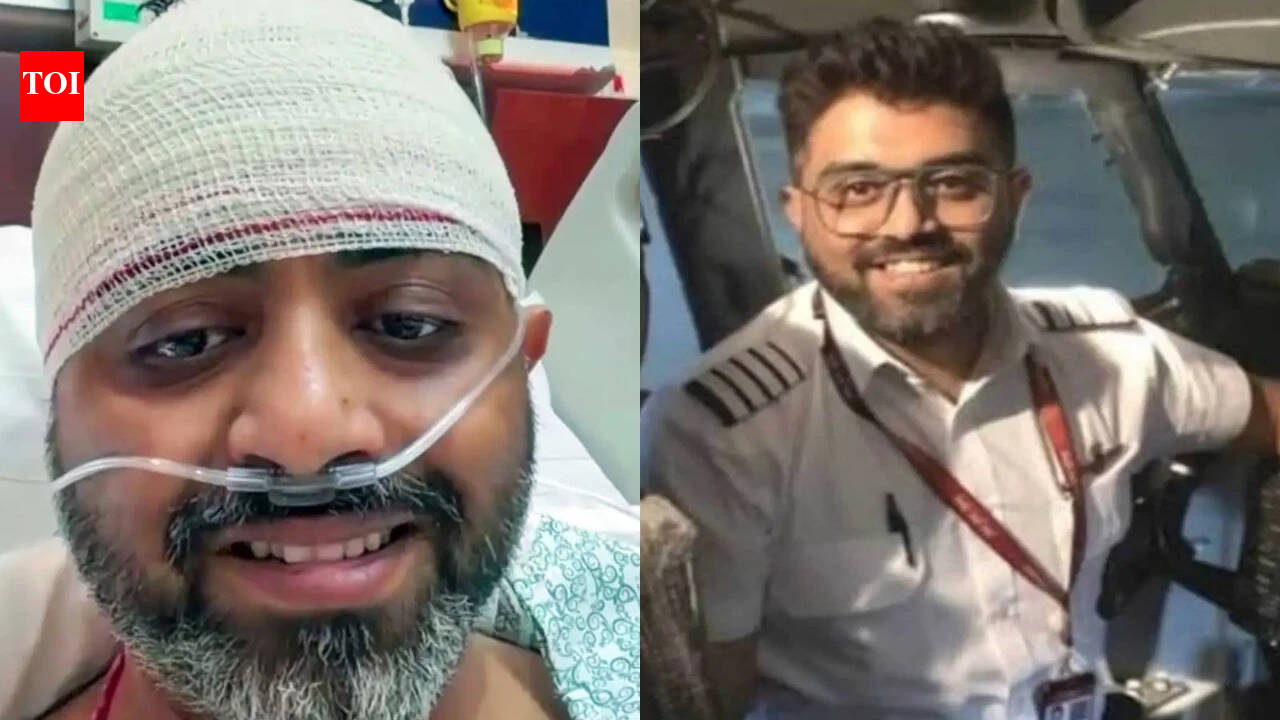
The Indian pilot, Smit Machchhar, was mid-flight on a routine journey when his co-pilot turned against him. In a shocking incident, Machchhar was stabbed by his colleague aboard the Flydubai flight, leaving him fighting for survival. This violent outburst has sent shockwaves acro...
The Indian pilot, Smit Machchhar, was mid-flight on a routine journey when his co-pilot turned against him. In a shocking incident, Machchhar was stabbed by his colleague aboard the Flydubai flight, leaving him fighting for survival. This violent outburst has sent shockwaves across the globe, raising questions about the safety of air travel and the mental health of aviation professionals. The Human Dimension This incident is a stark reminder that even in the most unlikely of places, human vulnerabilities can surface. The attack on Machchhar has left him shaken and raises concerns about the well-being of pilots and other crew members who spend extended periods in high-pressure environments. The incident also highlights the need for airlines to prioritize mental health support for their employees, providing them with resources to manage stress and anxiety. This is not just a concern for airlines but also for families and communities who rely on air travel for connectivity. As workers in high-stress professions, pilots are often expected to maintain a façade of calmness and composure, even in the face of adversity. However, this expectation can be detrimental to their mental health, leading to burnout and increased risk of violent behavior. It is essential for airlines and regulatory bodies to acknowledge this issue and provide support systems that cater to the unique needs of aviation professionals. What This Means Going Forward In the coming weeks and months, readers should watch for increased attention being paid to mental health support in high-pressure professions. Airlines will likely be under scrutiny to provide adequate resources for their employees, including counseling services, stress management training, and flexible work arrangements. This shift in focus can have practical implications for individuals working in demanding jobs, highlighting the importance of prioritizing self-care and seeking help when needed. Ultimately, this incident serves as a wake-up call for all industries that rely on high-pressure work environments. By acknowledging the human dimension of these professions and providing support systems that cater to individual needs, we can create a safer and more compassionate workplace culture. As we reflect on this incident, let us remember that every individual has a story behind their actions, and it is our collective responsibility to create an environment that supports their well-being.