Rising Shipping Costs Threaten Global Energy Flows
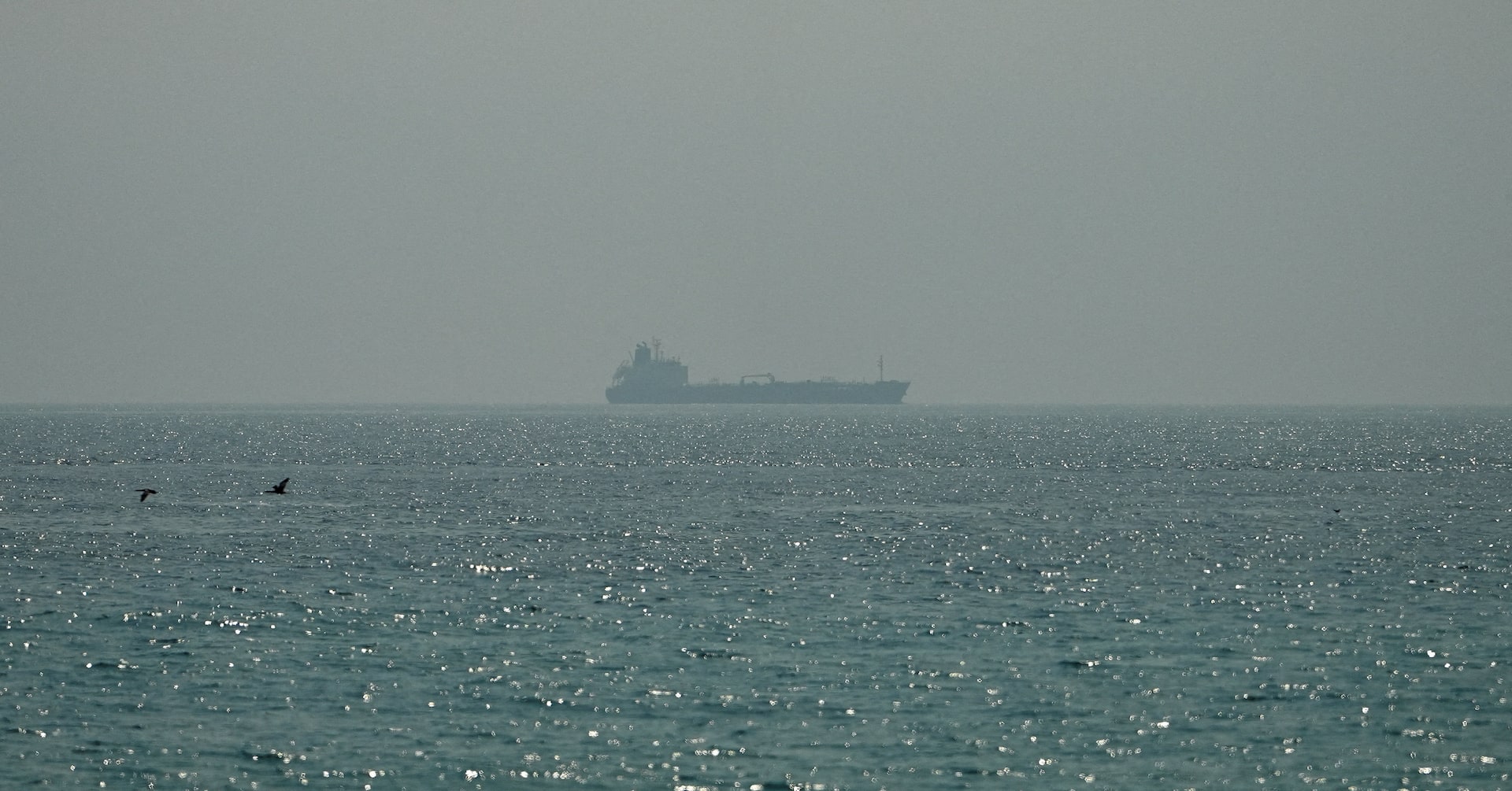
Summary:
The international energy market is facing a crisis as shipping and insurance costs for energy flows have surged to unprecedented levels, with ministers from the Organization of the Petroleum Exporting Countries (OPEC) and non-OPEC Participating Countries in the Declaration of Coo...
The international energy market is facing a crisis as shipping and insurance costs for energy flows have surged to unprecedented levels, with ministers from the Organization of the Petroleum Exporting Countries (OPEC) and non-OPEC Participating Countries in the Declaration of Cooperation sounding the alarm. This dramatic increase in costs, which now account for over one-third of the commodity value, is severely impeding the efficient movement of crude oil and products. The Human Dimension
The ripple effects of this crisis are being felt far beyond the energy industry itself. For workers in industries that rely on oil and gas, such as manufacturing and transportation, this surge in costs translates into higher production costs, reduced competitiveness, and potentially even job losses. Families who rely on affordable fuel for their daily needs may also see their living expenses rise as a result. Furthermore, this crisis has significant implications for communities that rely heavily on energy imports, where higher fuel prices can exacerbate existing social and economic challenges. Moreover, the increased cost of shipping and insurance will likely lead to a rise in global energy prices, which will have far-reaching consequences for individuals and households worldwide. Students and patients may feel the pinch as higher energy costs are passed on to consumers through increased prices for food, healthcare services, and other essential goods. The rising costs will also impact small businesses and entrepreneurs who rely on affordable energy to power their operations. What This Means Going Forward
As the global community navigates this crisis, it is essential to consider the long-term implications of these rising costs. Governments, industry leaders, and international organizations must work together to find solutions that address the root causes of this problem. This may involve exploring alternative modes of transportation, investing in more efficient shipping technologies, or implementing policies that mitigate the impact of high energy costs on vulnerable populations. In conclusion, the surge in shipping and insurance costs for energy flows has far-reaching consequences that extend beyond the energy industry itself. As we move forward, it is crucial to prioritize practical solutions that minimize the human impact of this crisis while promoting sustainable and equitable global energy flows.