US President's Texas Travels Raise Questions About Politicians' Accountability to Citizens
Summary:
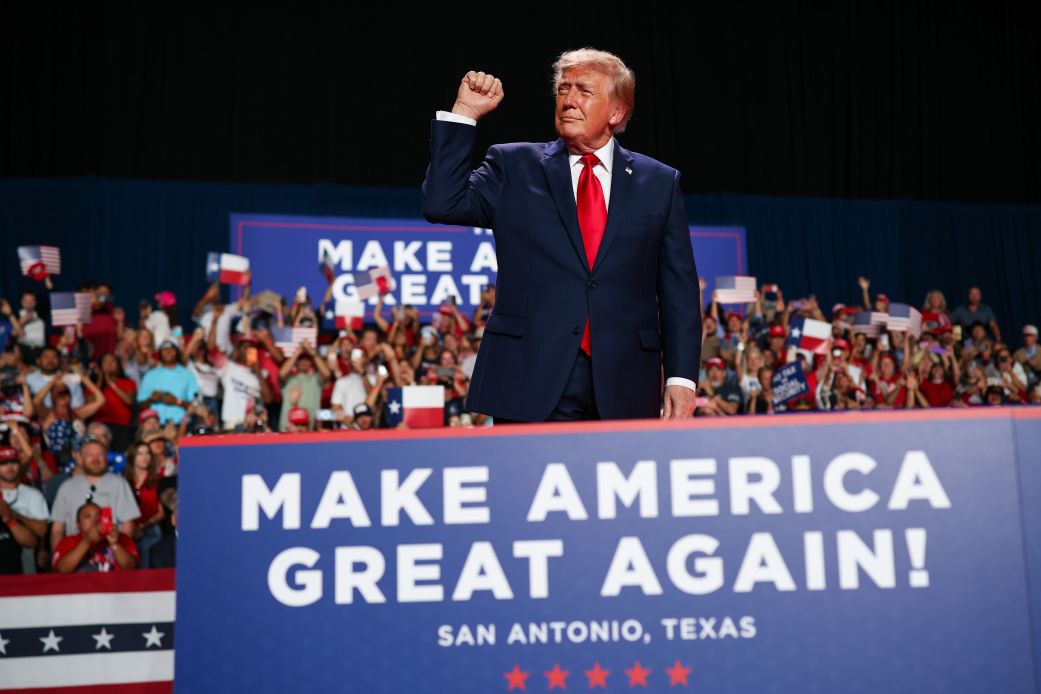
President Donald Trump has made his third trip to Texas in less than a month, drawing attention to the state's pivotal role in the US Senate elections. This trip is particularly noteworthy due to the recent audio leaks involving Ken Paxton, the state's Attorney General, who has b...
President Donald Trump has made his third trip to Texas in less than a month, drawing attention to the state's pivotal role in the US Senate elections. This trip is particularly noteworthy due to the recent audio leaks involving Ken Paxton, the state's Attorney General, who has been accused of privately questioning Trump's leadership. As Trump campaigns for a Senate candidate, it raises concerns about accountability and the human impact of such actions. The Human Dimension For ordinary people in Texas and beyond, this development has significant implications. The constant influx of high-profile politicians like Trump can be overwhelming, especially when they come with an air of controversy. The leaked audio tapes featuring Paxton have sparked debates about trust and loyalty within political circles. For citizens, this situation can lead to feelings of disillusionment and frustration, making them question the sincerity of their elected representatives. Moreover, the Senate elections will have far-reaching consequences for workers, students, and families in Texas. The outcome may influence policy decisions that affect access to healthcare, education, and employment opportunities. Those who are directly affected by these policies may feel powerless in the face of such high-stakes politics. As voters prepare for the elections, they must remain vigilant and critically assess the promises made by candidates. What This Means Going Forward In the coming weeks and months, Texans should keep a close eye on how politicians respond to these allegations. They must demand transparency and accountability from their leaders. Furthermore, this situation serves as a reminder that citizens have the power to shape their own destiny through informed decision-making at the polls. As global citizens, readers can learn from this example. When politicians travel extensively or engage in controversies, it often has a ripple effect on communities worldwide. The human dimension of politics is often overlooked in favor of grand narratives or ideologies. However, by focusing on real people's lives and experiences, we can better understand the complexities of politics and its practical implications. Ultimately, as President Trump continues to campaign across Texas, it is essential for citizens to prioritize their own interests and those of their loved ones above party affiliations or personal biases. By doing so, they can foster a more inclusive and responsive democracy that truly represents their voices.