Western Nations Must Revitalize to Sustain Global Influence
Summary:
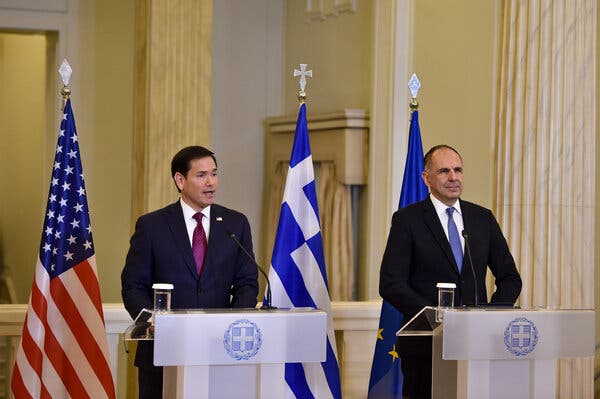
The recent call by US Secretary of State Marco Rubio for Western nations to revitalize their civilization has sparked a global conversation about the future of global power dynamics. At its core, this debate is not just about geopolitics, but also about the human dimension – how...
The recent call by US Secretary of State Marco Rubio for Western nations to revitalize their civilization has sparked a global conversation about the future of global power dynamics. At its core, this debate is not just about geopolitics, but also about the human dimension – how this shift will impact ordinary people, workers, students, and communities worldwide. For future Rubio's words are a wake-up call for the West to reassert its influence in a rapidly changing world. But what does this mean for the average person? For workers, it could lead to more opportunities in emerging industries that drive innovation and growth. On the other hand, it may also mean increased competition and pressure to adapt to new technologies and market trends. Students will need to develop skills that are relevant to a rapidly evolving job market, where automation and AI are becoming increasingly prevalent. Families and communities will need to navigate the social and economic implications of shifting power dynamics, including potential changes in immigration policies and cultural exchange programs. Moreover, this revitalization effort is likely to have far-reaching implications for global health, education, and economic development. As Western nations invest in new technologies and infrastructure, they may also prioritize initiatives that promote global health security, education access, and sustainable development. This could lead to more resources being devoted to addressing pressing global challenges like pandemics, climate change, and inequality. What This Means Going Forward As the West seeks to revitalize its influence, there are several key trends that readers should watch for in the coming months. One is the growing importance of emerging economies like China, India, and Africa in shaping global affairs. Another is the increasing role of technology in driving economic growth and social change. Readers should also be aware of potential shifts in global trade policies, investment flows, and cultural exchange programs. Ultimately, the success of this revitalization effort will depend on its ability to benefit not just powerful nations or institutions, but also ordinary people around the world. By prioritizing human-centered development and inclusive growth strategies, Western nations can help create a more prosperous and equitable future for all. As we move forward into an uncertain future, it's clear that the stakes are high not just for Western nations or their leaders but for people everywhere who seek a better life.