Northern Nigeria's Vote of Confidence in Tinubu's Reforms
Summary:
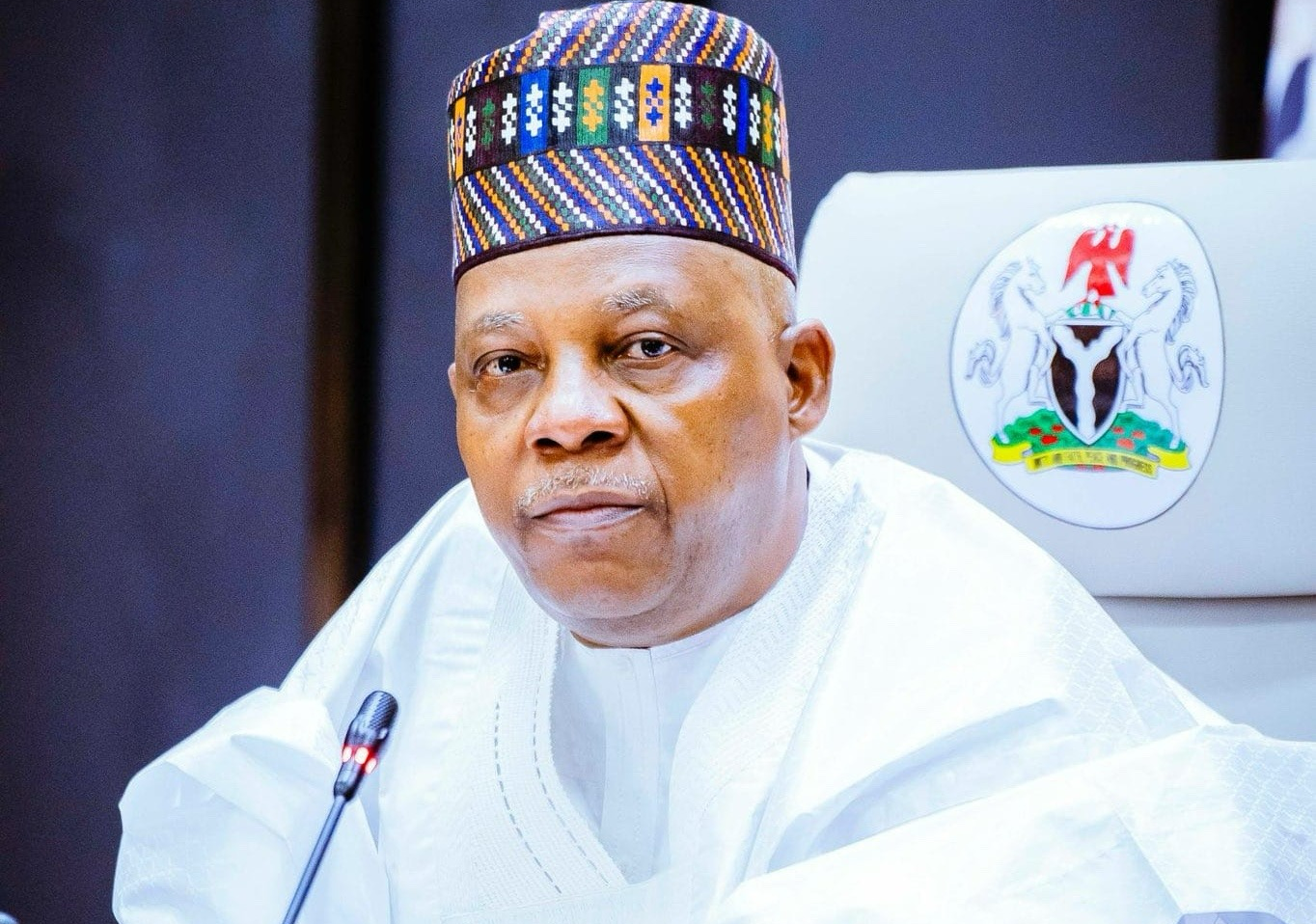
The Vice President of Nigeria, Senator Kashim Shettima, has sent a strong signal that the growing support for President Bola Tinubu's re-election in Northern Nigeria is not taken lightly. Shettima emphasized that the administration will work hard to earn this support through tran...
The Vice President of Nigeria, Senator Kashim Shettima, has sent a strong signal that the growing support for President Bola Tinubu's re-election in Northern Nigeria is not taken lightly. Shettima emphasized that the administration will work hard to earn this support through transparency and measurable results. This statement holds significant implications for ordinary Nigerians, particularly those living in the North, who have been affected by years of economic hardship and insecurity. The Human Dimension For workers, this development means that the Tinubu administration is committed to delivering tangible results that will improve their livelihoods. The administration's promise of radical transparency suggests that they will prioritize accountability and good governance, which are essential for creating a favorable business environment. This, in turn, can lead to increased job opportunities and better working conditions for Nigerians. Students and patients will also benefit from improved healthcare and education infrastructure, which are critical for human development. Families and communities in Northern Nigeria have been disproportionately affected by poverty and insecurity. The growing support for Tinubu's re-election is a vote of confidence in his administration's ability to address these challenges. By focusing on measurable results, Shettima has signaled that the administration is committed to delivering concrete improvements in people's lives. This is particularly important for women and girls, who are often the most vulnerable members of society. What This Means Going Forward As the election season heats up, Nigerians should expect more transparency from the Tinubu administration. This includes regular updates on progress made towards addressing key challenges such as poverty, insecurity, and corruption. The administration should also prioritize engagement with civil society organizations and community leaders to ensure that their policies are responsive to local needs. In practical terms, this means that ordinary Nigerians should demand more from their leaders. They should hold them accountable for delivering on promises and provide feedback on how policies can be improved. By doing so, they can help create a more inclusive and responsive governance system that serves their interests. Ultimately, the growing support for Tinubu's re-election is a reminder that politics is about people, not just institutions. As Nigerians look ahead to the elections, they should prioritize issues that affect their daily lives and demand more from their leaders.