Tensions in Taiwan Strait escalate as China's naval presence increases
Summary:
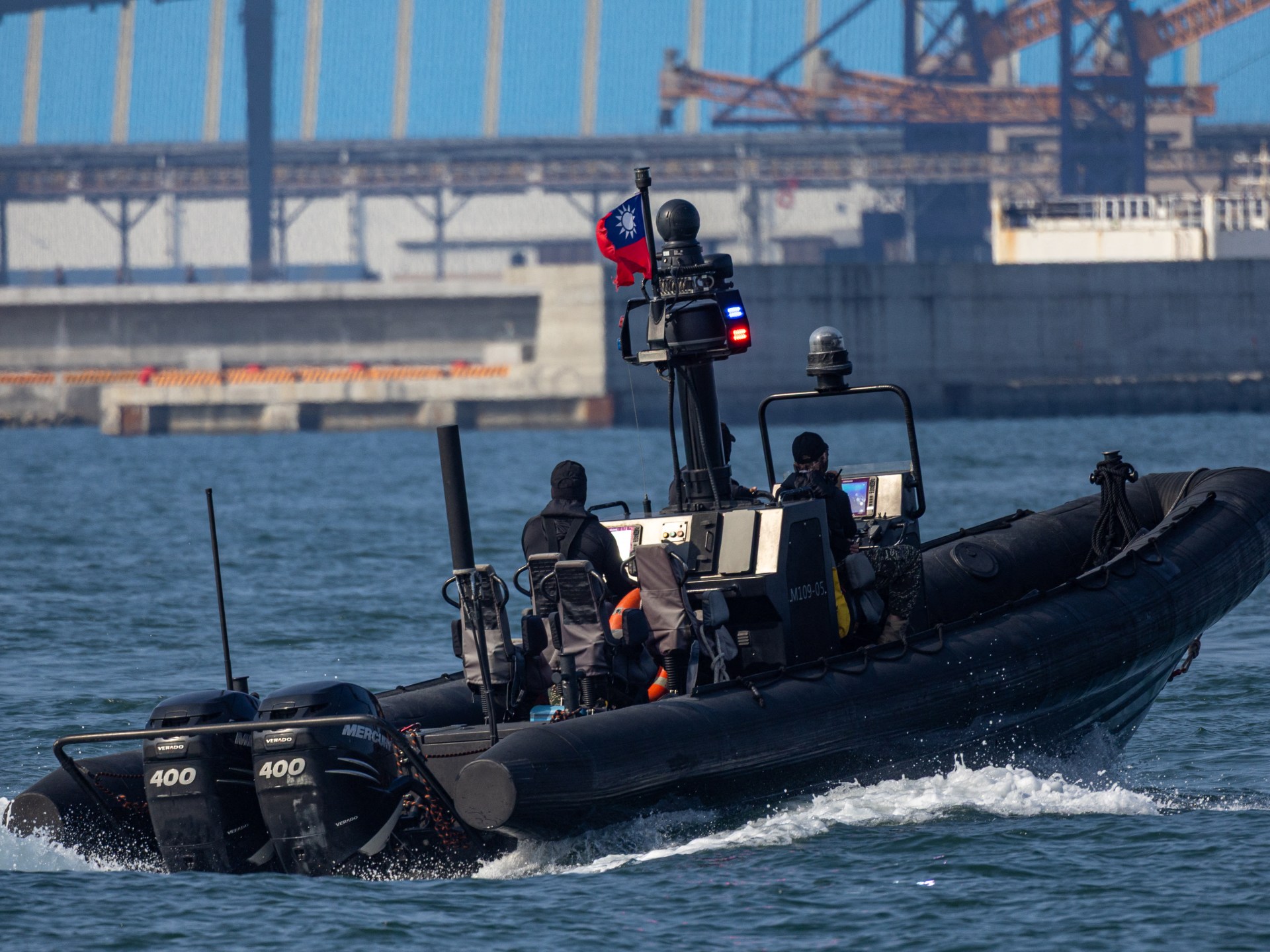
Taiwan has taken a firm stance against growing Chinese naval activity around the island, driving away 16 Chinese ships earlier this month. This escalation in tensions marks a significant shift in the delicate balance of power in the Taiwan Strait. As the situation unfolds, ordina...
Taiwan has taken a firm stance against growing Chinese naval activity around the island, driving away 16 Chinese ships earlier this month. This escalation in tensions marks a significant shift in the delicate balance of power in the Taiwan Strait. As the situation unfolds, ordinary people on both sides of the divide are likely to feel the pinch. The Human Dimension For Taiwanese citizens, this heightened military activity is a stark reminder of their country's precarious position in the region. As tensions between Taiwan and China continue to simmer, many residents may find themselves caught in a cycle of anxiety and uncertainty. The economic implications are already being felt, with international investors growing increasingly cautious about investing in Taiwan. This has resulted in a slowdown of economic growth, which may impact local businesses and workers. Furthermore, the increased military presence could also disrupt supply chains and logistics, affecting everyday life for Taiwanese citizens. On the other side of the strait, Chinese residents may be less aware of the nuances of this complex situation. However, they too will likely feel the effects of a prolonged standoff with Taiwan. A prolonged military presence could divert resources away from domestic priorities such as healthcare and education. Additionally, if tensions escalate into full-blown conflict, China's economy could suffer significantly, affecting millions of workers and families. What This Means Going Forward As tensions between Taiwan and China continue to escalate, it is essential for global citizens to remain vigilant about the potential consequences. For those considering investing in Taiwan or doing business with companies operating in the region, it may be wise to reassess their strategy in light of these developments. Furthermore, individuals and families who rely on global supply chains for essential goods should be prepared for potential disruptions. In conclusion, as tensions in the Taiwan Strait continue to rise, it is crucial that we consider the human dimension at play. The impact on ordinary people on both sides of the divide will be significant, and it is essential that we prioritize understanding and empathy as we navigate this complex situation. By staying informed and adaptable, individuals can better prepare themselves for any potential fallout and make informed decisions about their own lives and futures.