Arctic greening under threat from human activities
Summary:
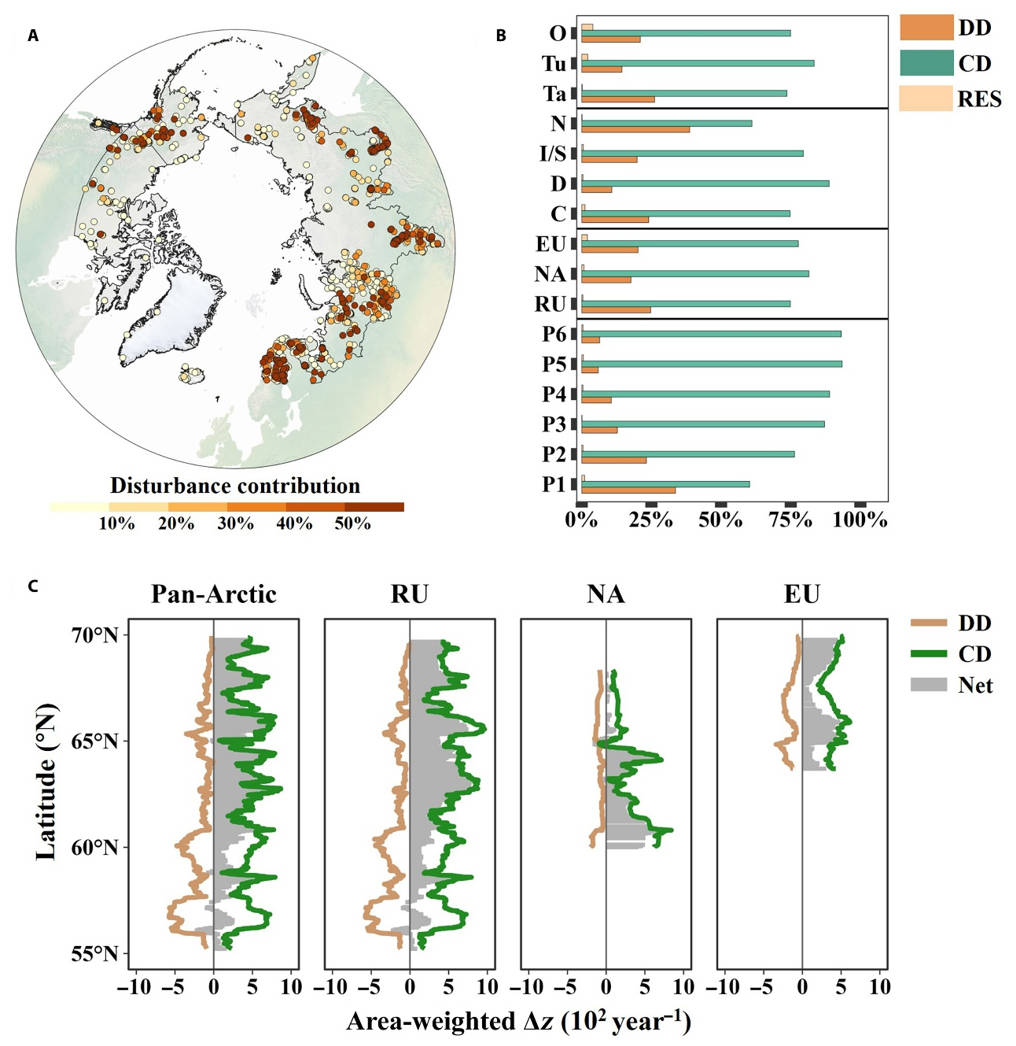
The Arctic region has experienced unprecedented warming, leading to an increase in vegetation growth due to the warmer climate. However, a recent study has revealed that human activities are eroding these gains, causing browning of vegetation around industrial, mining, settlement...
The Arctic region has experienced unprecedented warming, leading to an increase in vegetation growth due to the warmer climate. However, a recent study has revealed that human activities are eroding these gains, causing browning of vegetation around industrial, mining, settlement, and infrastructure zones. The Human Dimension
A closer look at the findings reveals that human disturbance is affecting not only the environment but also the people who live and work in the Arctic. For indigenous communities, who have traditionally relied on the land for their livelihood, this means a loss of food sources and cultural heritage. The decline of vegetation also impacts local wildlife, such as caribou and reindeer, which are crucial for the food security and economic stability of these communities. Furthermore, increased human activity in the Arctic can lead to increased exposure to air pollution, heat stress, and other health risks. For workers in the extractive industries, such as mining and drilling, this study highlights the importance of sustainable practices that minimize environmental impact. The findings suggest that a more careful balance must be struck between economic development and environmental protection. As global demand for resources continues to grow, it is essential that industries adopt more environmentally conscious approaches to ensure long-term sustainability. What This Means Going Forward
The implications of this study are far-reaching and will require a coordinated response from governments, industries, and local communities. In the coming months, we can expect increased calls for greater environmental regulation and monitoring in the Arctic region. This may lead to new policies and standards for sustainable development, which could have practical implications for businesses operating in the region. For individuals living in or working near Arctic regions, this means staying informed about local environmental conditions and advocating for sustainable practices in their communities. Ultimately, this study serves as a reminder of the intricate relationship between human activity and the natural environment. As we continue to navigate the challenges of climate change and economic development, it is essential that we prioritize a more holistic approach that balances human needs with environmental protection.