Arctic greening reversal fuels climate and human concerns
Summary:
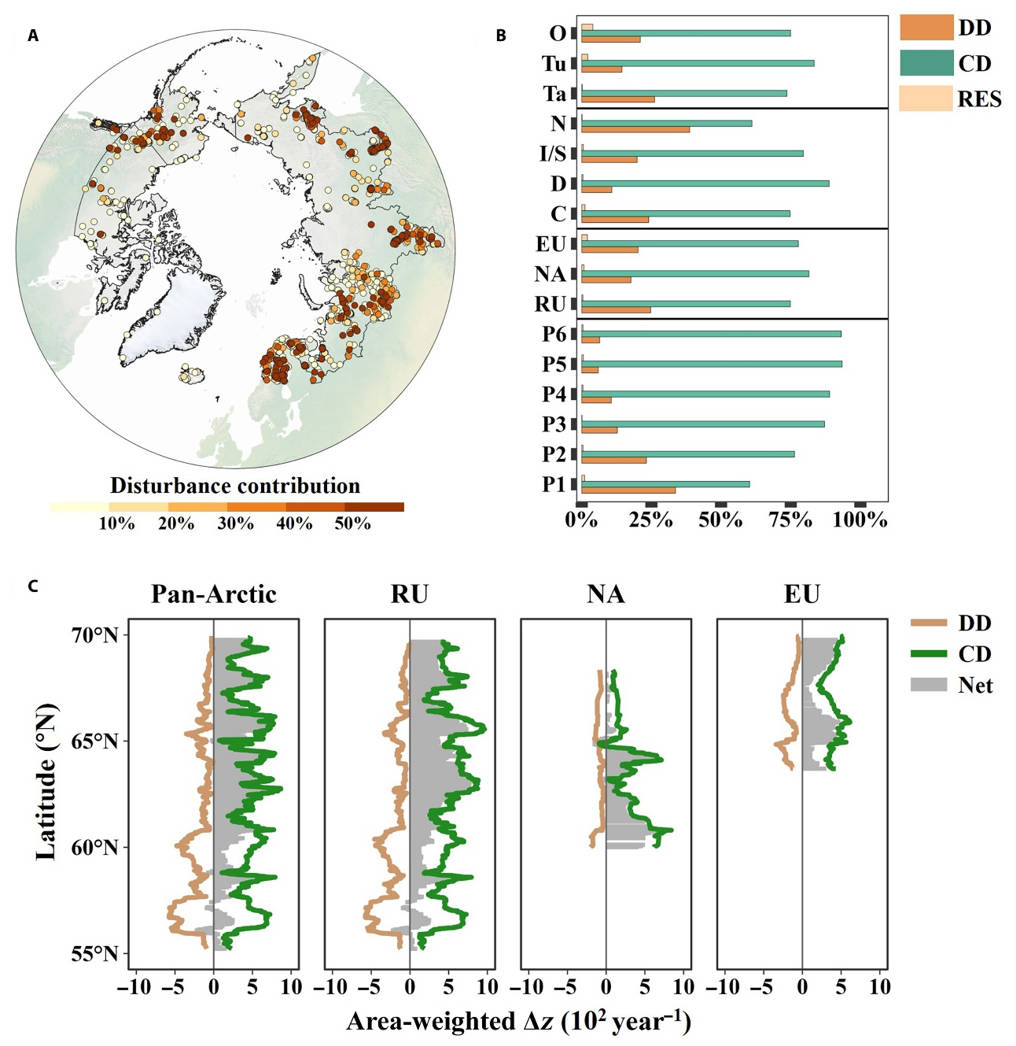
The Arctic region has experienced accelerated vegetation growth over the past two decades due to climate warming. However, a recent study reveals that human activities are now eroding these gains, causing widespread browning across industrial, mining, settlement, and infrastructu...
The Arctic region has experienced accelerated vegetation growth over the past two decades due to climate warming. However, a recent study reveals that human activities are now eroding these gains, causing widespread browning across industrial, mining, settlement, and infrastructure zones. The Human Dimension As the Arctic environment undergoes significant changes, local communities and indigenous peoples are facing unprecedented challenges. The reversal of greening in the Arctic not only affects the region's biodiversity but also has far-reaching implications for the livelihoods of those who depend on it. Indigenous communities rely on the Arctic tundra for hunting, fishing, and gathering, which are essential for their food security and cultural identity. The decline of vegetation cover threatens to disrupt these traditional practices, compromising the well-being of these communities. Furthermore, the browning of vegetation is also linked to increased greenhouse gas emissions, which exacerbate climate change. This has devastating consequences for people worldwide, particularly those living in low-lying areas prone to rising sea levels and more frequent extreme weather events. As global temperatures continue to rise, it is essential to prioritize sustainable development and environmental conservation in the Arctic region. What This Means Going Forward As policymakers and stakeholders grapple with the implications of this study, it is crucial to consider the human dimension of climate change in the Arctic. This requires a concerted effort to balance economic development with environmental protection. Governments must engage with local communities to develop inclusive policies that address their concerns and promote sustainable livelihoods. Individuals can contribute by reducing their carbon footprint, supporting environmentally responsible businesses, and advocating for climate action. In conclusion, the reversal of greening in the Arctic serves as a stark reminder of the interconnectedness of human and environmental well-being. As we move forward, it is essential to prioritize collective action and cooperation to mitigate the impacts of climate change on vulnerable communities worldwide.