Supercomputer simulations unlock secrets of size in nanomedicine breakthrough
Summary:
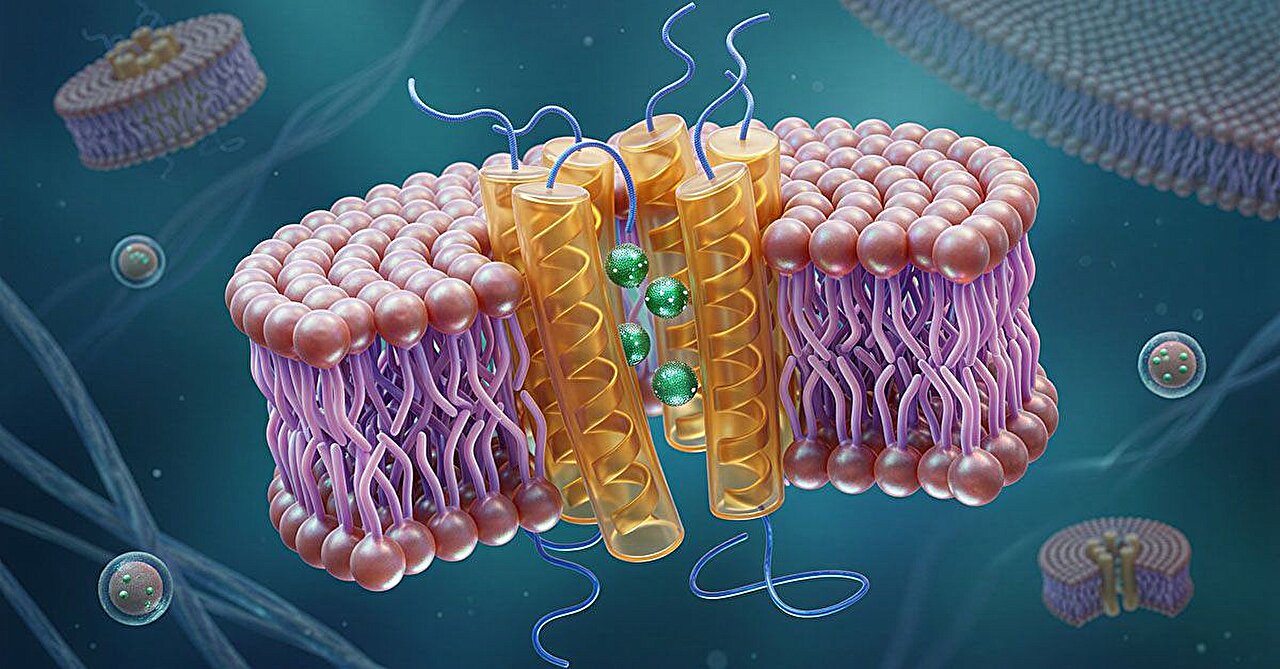
The latest breakthrough in nanomedicine has the potential to revolutionize the way we develop and deliver life-saving treatments. Scientists have used supercomputers to simulate the behavior of cellular nanodiscs, tiny particles made from natural cell membranes, and shed light on...
The latest breakthrough in nanomedicine has the potential to revolutionize the way we develop and deliver life-saving treatments. Scientists have used supercomputers to simulate the behavior of cellular nanodiscs, tiny particles made from natural cell membranes, and shed light on how their size affects their performance. The Human Dimension
For patients, this research holds promise for more effective treatments. Nanodiscs have shown therapeutic potential for drug delivery, detoxification, and vaccines. By understanding how size influences their efficacy, scientists can design more targeted therapies that minimize side effects. This could be particularly beneficial for cancer patients, who often require precise treatments to avoid harming healthy cells. For workers in the biotech industry, this breakthrough could lead to new job opportunities and advancements in fields like nanotechnology and pharmaceuticals. The simulation results also have implications for medical students and researchers. By gaining a deeper understanding of how size affects nanodisc behavior, students can better grasp the underlying principles of nanomedicine and develop more effective treatments. Researchers will be able to refine their designs, leading to more accurate predictions about treatment outcomes. This could also lead to collaborations between academia and industry, driving innovation in the field. What This Means Going Forward
As researchers continue to explore the applications of nanomedicine, patients can expect to see more targeted and effective treatments emerging. The development of more precise therapies could reduce healthcare costs and improve patient outcomes. In the coming months, we can expect to see further studies on the use of supercomputer simulations in nanomedicine research. This will likely involve collaborations between scientists, engineers, and clinicians to translate these findings into real-world applications. In conclusion, this breakthrough has significant implications for patients, workers, students, and communities worldwide. By unlocking the secrets of size in nanomedicine, scientists have taken a crucial step towards developing more effective treatments for a range of diseases. As we move forward, it is essential that researchers continue to explore the potential of nanomedicine and its applications in improving human health.