Unlocking the Body's Built-in Shield Against Heart Attack Damage
Summary:
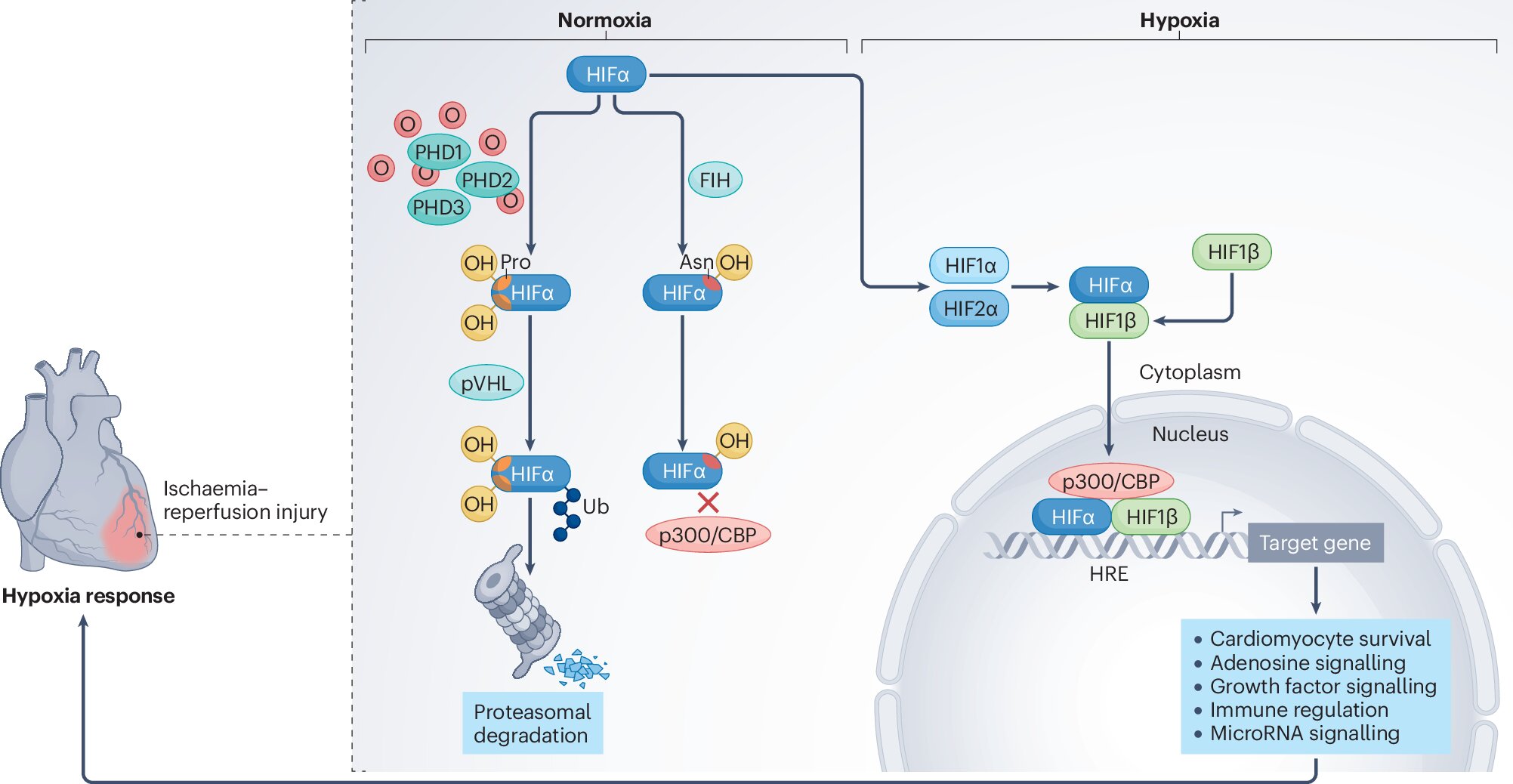
As scientists delve into the intricate mechanisms of the human body, they are making groundbreaking discoveries that could revolutionize the way we treat heart attacks and surgeries. Researchers are now exploring whether the body's natural response to low oxygen can be harnessed...
As scientists delve into the intricate mechanisms of the human body, they are making groundbreaking discoveries that could revolutionize the way we treat heart attacks and surgeries. Researchers are now exploring whether the body's natural response to low oxygen can be harnessed to minimize heart damage during these critical events. This innovative approach leverages drugs already available on the market, holding immense promise for patients worldwide. The Human Dimension For millions of people, heart attacks and surgeries are a daunting prospect, often leaving survivors with lasting physical and emotional scars. The fear of heart damage is a significant concern, particularly for those with pre-existing conditions or a family history of cardiovascular disease. By unlocking the body's built-in defense mechanism, scientists aim to reduce the risk of permanent damage and improve patient outcomes. This breakthrough has far-reaching implications for families, communities, and individuals, offering hope for better health and well-being. For instance, patients undergoing cardiac surgery may benefit from reduced recovery times and fewer complications, enabling them to return to their normal lives sooner. What This Means Going Forward As research continues to advance, patients can expect more personalized treatment options that cater to their unique needs. Healthcare providers will need to stay abreast of these developments to offer the most effective care possible. In addition, individuals can take proactive steps to reduce their risk of heart disease by maintaining a healthy lifestyle, managing stress levels, and getting regular check-ups. By harnessing the body's natural defense against heart attack damage, we may see a significant decline in cardiovascular-related deaths and disabilities worldwide. As this research unfolds, it is essential for patients, families, and healthcare professionals to stay informed about emerging treatments and interventions. By tapping into the body's innate response to low oxygen levels, researchers have opened up new avenues for heart health research. This innovative approach has the potential to transform the way we approach cardiac care, ultimately benefiting individuals and communities around the globe. As we move forward in this exciting era of medical discovery, let us remain hopeful that such breakthroughs will continue to improve our lives and well-being.