Mass spectrometry imaging in food safety - a step closer to a safer plate
Summary:
Mass spectrometry imaging (MSI) has long been touted as a game-changer in food safety testing, with its ability to identify and map contaminants on a microscopic level. However, despite its promise, MSI remains largely relegated to research labs and specialized testing facilities...
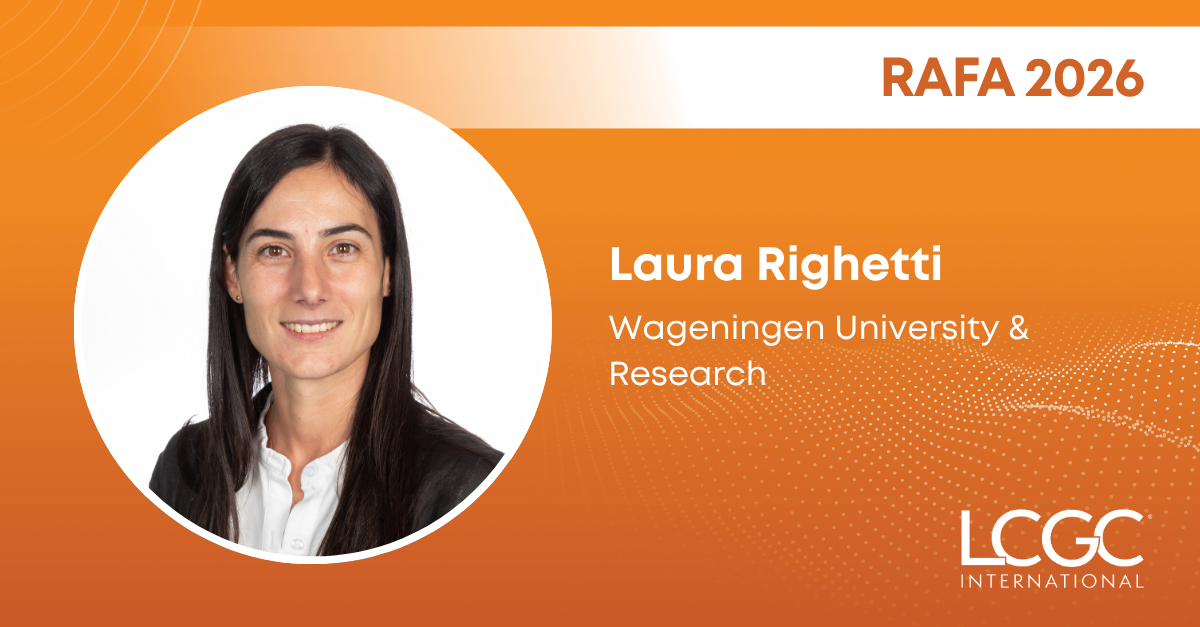
Mass spectrometry imaging (MSI) has long been touted as a game-changer in food safety testing, with its ability to identify and map contaminants on a microscopic level. However, despite its promise, MSI remains largely relegated to research labs and specialized testing facilities. According to Laura Righetti, the key obstacle is not the instrumentation itself, but rather the quantification of results. The human dimension of this issue is stark. Foodborne illnesses affect millions worldwide each year, causing suffering, economic losses, and even death. For workers in the food industry, from farmers to factory line staff, the risk of contamination is ever-present. Students and families rely on safe food to fuel their bodies and minds. Patients with compromised immune systems are particularly vulnerable to foodborne pathogens. Righetti's assertion that quantification is the major hurdle for MSI adoption highlights the complexity of translating laboratory techniques into practical applications. While instrumentation has improved dramatically in recent years, the ability to accurately quantify and interpret MSI data remains a significant challenge. This limitation means that MSI is often reserved for high-profile cases or research studies, rather than being integrated into routine testing protocols. As a result, consumers continue to be exposed to risks associated with contaminated food. The consequences are far-reaching, impacting not only individual health but also community well-being and economic stability. The lack of widespread MSI adoption also hinders efforts to improve food safety regulations and enforcement. In the coming months, it will be essential for researchers, policymakers, and industry stakeholders to focus on addressing the quantification challenges surrounding MSI. By investing in advancements that enable more accurate and efficient data analysis, we can bring this powerful tool closer to routine use in food safety testing. This would ultimately benefit not only consumers but also workers in the food industry, who would be able to work in safer conditions. As we move forward, it is crucial to prioritize practical solutions that address the human dimension of food safety. By doing so, we can create a safer environment for everyone involved in the food chain – from production to consumption – ultimately leading to healthier communities worldwide.