Europe's Rising Tide of Discontent: How Protests Are Reflecting Growing Financial Pressures
Summary:
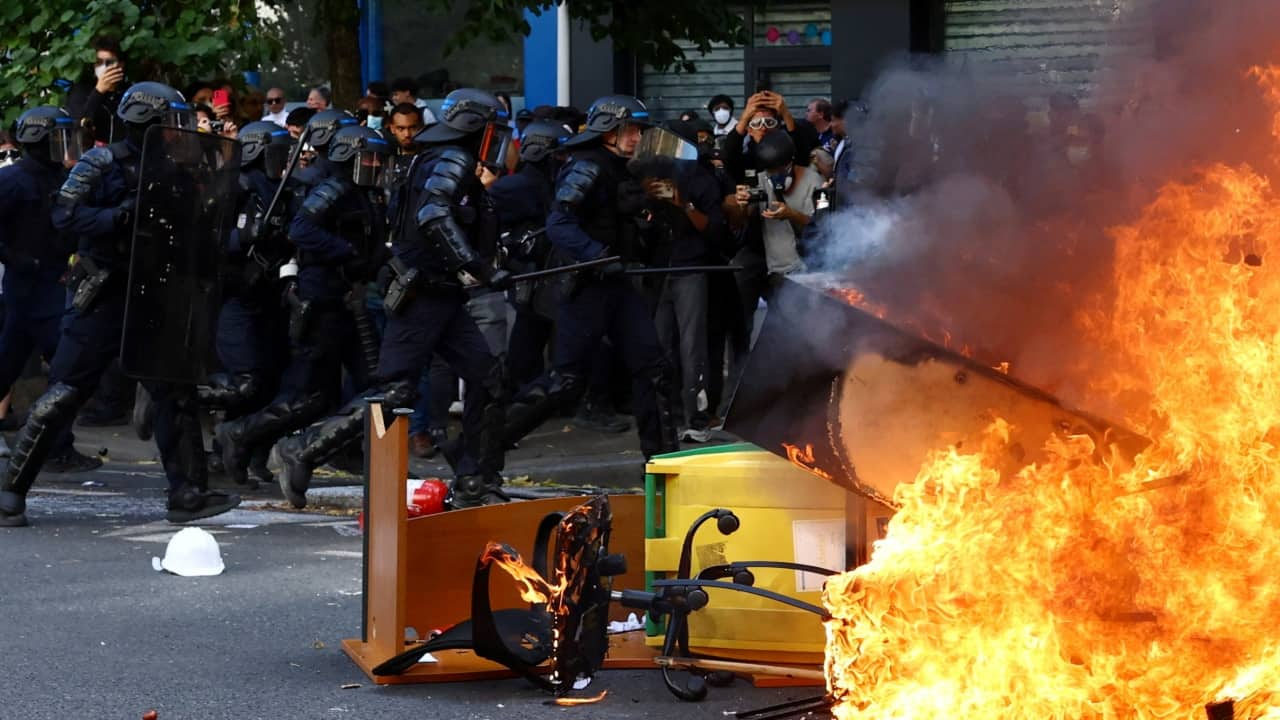
Across Europe, a wave of protests is sweeping the continent, as citizens take to the streets to voice their discontent with rising living costs, inadequate public services, and perceived government inaction. From the violent clashes in France and Italy to the housing protests in...
Across Europe, a wave of protests is sweeping the continent, as citizens take to the streets to voice their discontent with rising living costs, inadequate public services, and perceived government inaction. From the violent clashes in France and Italy to the housing protests in Portugal, a common thread runs through these demonstrations – a growing sense of financial insecurity that threatens the well-being of ordinary people. The Human Dimension For millions of Europeans, the cost of living has become unsustainable. Housing prices are soaring, leaving young families struggling to find affordable accommodation. Students are facing crippling debt burdens, while workers are watching their wages stagnate amidst rising inflation. The pressure on public services such as healthcare and education is mounting, with many communities feeling neglected and underserved. The protests are not just about politics; they are about people's basic needs being ignored or unmet. In Portugal, for example, housing activists have taken to the streets to demand action on unaffordable rents and evictions. In Italy, protests against pension reforms have drawn large crowds, as retirees fear for their financial security. In France, the gilets jaunes movement has highlighted the struggles of working-class families to make ends meet. These movements are not isolated; they are part of a broader European trend that reflects a deepening sense of financial insecurity. What This Means Going Forward As Europe grapples with these pressing issues, citizens can expect more protests and demonstrations in the coming months. Governments will be forced to confront the root causes of discontent – stagnant wages, inadequate social services, and unaffordable housing. The practical implications for ordinary people will be significant. Governments may be compelled to introduce policies aimed at reducing inequality and improving access to essential services. Workers may see wage increases or improved benefits, while students may benefit from more affordable education options. As citizens demand greater accountability from their leaders, the future looks uncertain – but one thing is clear: change is on the horizon. The rising tide of discontent across Europe serves as a stark reminder that economic policies have real-world consequences for people's lives. As governments respond to these pressures, it is essential that they prioritize human needs over ideological interests – ensuring that everyone has access to affordable housing, quality education, and decent healthcare.