France's widespread discontent sparks chaos and change
Summary:
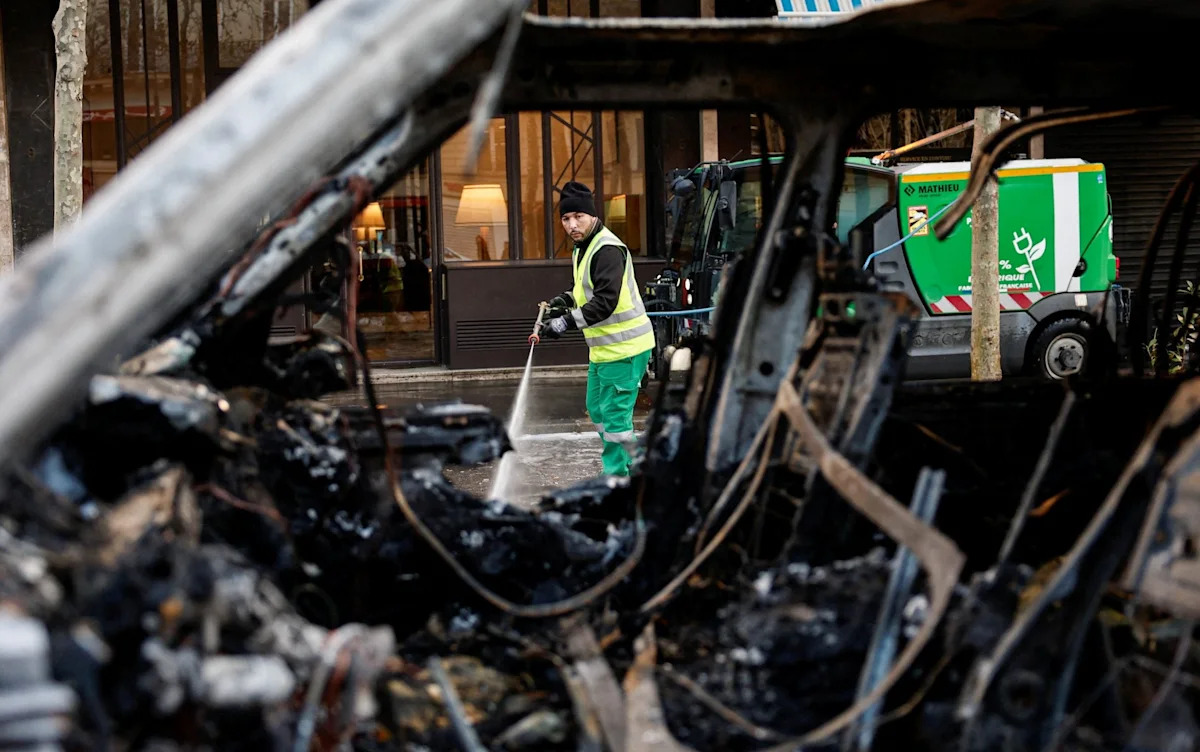
The City of Love turned into a battleground as protests and riots swept across France, leaving a trail of destruction and chaos in their wake. The spark that ignited this fire was the government's decision to raise the retirement age, but it was just the tip of the iceberg. What...
The City of Love turned into a battleground as protests and riots swept across France, leaving a trail of destruction and chaos in their wake. The spark that ignited this fire was the government's decision to raise the retirement age, but it was just the tip of the iceberg. What lies beneath is a deep-seated discontent with the French society, economy, and politics. The Human Dimension
----------------- Behind the scenes of burning cars, smashed windows, and tear gas-filled streets, there are people - workers struggling to make ends meet, students burdened by debt, patients fighting for access to healthcare, families struggling to cope with rising living costs. The unrest is not just about economic inequality; it's also about social injustice. Many feel that they have been left behind by a system that seems to prioritize the interests of the wealthy elite over those of ordinary citizens. As people take to the streets, they are demanding more than just policy changes; they are seeking a fundamental transformation of their society. They want a France that values equality, solidarity, and social justice. They want a country where everyone has access to quality education, healthcare, and decent work. For many, this is not just a French problem; it's a global issue that reflects the growing disillusionment with neoliberalism and its effects on societies worldwide. What This Means Going Forward
----------------------------- As the situation in France continues to unfold, there are several key takeaways for people around the world. Firstly, it highlights the importance of listening to marginalized voices and addressing social injustices before they escalate into full-blown crises. Secondly, it underscores the need for inclusive and participatory governance that prioritizes the needs of all citizens. Lastly, it serves as a reminder that collective action can bring about change - whether through protests or more peaceful means like activism and advocacy. As we watch events unfold in France, we would do well to reflect on our own societies and ask ourselves: what are the underlying issues driving social unrest? How can we create more inclusive and equitable systems that work for everyone? By doing so, we may find that we can learn valuable lessons from France's struggles and apply them to our own contexts.