Threats to Women in Politics: A Global Pattern of Violence
Summary:
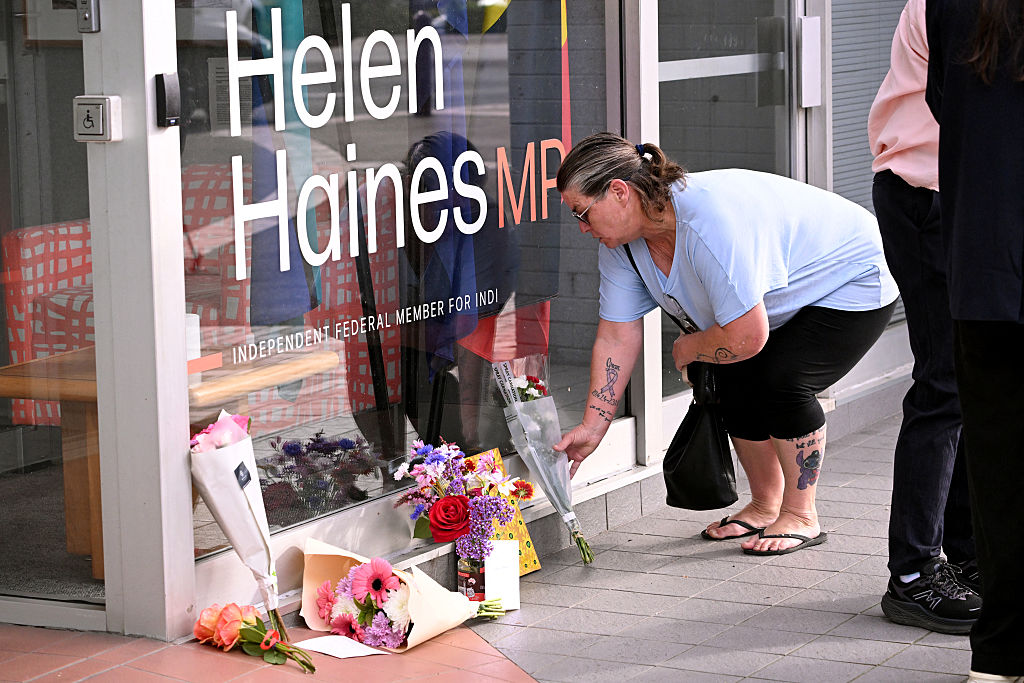
The news of Australian independent member of Parliament Helen Haines being struck by a car outside her office has sent shockwaves across the globe. This incident is part of a disturbing trend where women in politics are increasingly facing violent threats, intimidation, and attac...
The news of Australian independent member of Parliament Helen Haines being struck by a car outside her office has sent shockwaves across the globe. This incident is part of a disturbing trend where women in politics are increasingly facing violent threats, intimidation, and attacks. From the brutal rape of Arizona congressional candidate Bernadette Greene-Placentia to the killing of politicians in other parts of the world, this pattern of violence is not limited to one continent or country. The Human Dimension For women who aspire to public office, this pattern of violence creates a chilling effect, deterring them from pursuing their dreams. The constant threat of harm and intimidation can lead to anxiety, stress, and burnout. Moreover, it also affects their families and loved ones who may live in fear for their safety. The impact on mental health cannot be overstated, as women in politics often face a double burden - the pressure to perform in their roles while also dealing with personal security concerns. Furthermore, this trend has broader implications for democracy itself. When women are excluded from public office due to fear or intimidation, it means that diverse perspectives and voices are silenced. This can lead to policies that do not reflect the needs and concerns of all segments of society. What This Means Going Forward As we move forward, it is essential to acknowledge the gravity of this situation and work towards creating a safer environment for women in politics. Countries that have implemented gender quotas have seen an increase in the number of women in public office. These quotas can be a powerful tool in promoting diversity and inclusion. Moreover, governments and institutions must take concrete steps to ensure the safety and security of women politicians. This includes providing adequate protection measures such as bodyguards, surveillance cameras, and secure communication channels. Ultimately, it is up to all of us to create a culture that values diversity and inclusion. By supporting women in politics and speaking out against violence and intimidation, we can help build a more just and equitable society for everyone.