Designing Circuits on Any Device, Without Installation Hurdles
Summary:
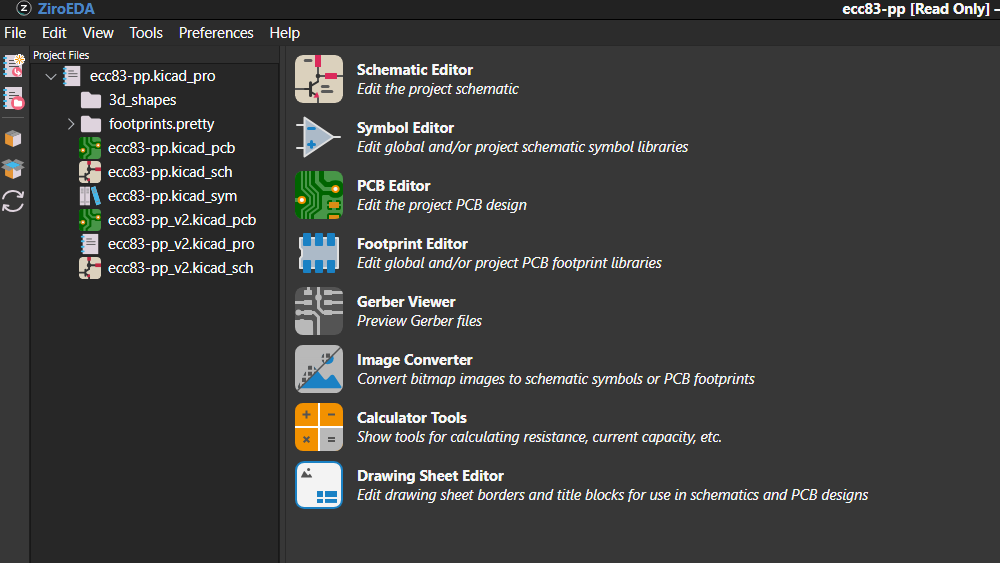
KiCad, a powerful tool for designing printed circuit boards, has traditionally been limited by its requirement for local installation on a computer. However, a recent innovation by developer Akshay Rukade has bridged this gap, enabling KiCad to run directly within web browsers. T...
KiCad, a powerful tool for designing printed circuit boards, has traditionally been limited by its requirement for local installation on a computer. However, a recent innovation by developer Akshay Rukade has bridged this gap, enabling KiCad to run directly within web browsers. This development promises to democratize access to electronic design automation (EDA) tools, making them more accessible to a broader range of users worldwide. The Human Dimension
------------------ For students and hobbyists, the ability to use KiCad in a browser means that they can work on their projects from anywhere, without being tied to a specific computer or location. This is particularly significant for those in developing countries or with limited access to specialized hardware. Moreover, the removal of installation barriers will encourage more people to explore the world of electronics and circuit design, potentially leading to innovative applications and solutions that can improve lives. The impact on professionals in the field of electronics engineering is also noteworthy. With KiCad now accessible in a browser, teams can collaborate more seamlessly on projects, regardless of their geographical location or device preferences. This will facilitate faster development cycles and better communication among team members. Additionally, the increased accessibility of KiCad may attract new talent into the field of electronics engineering, as more people are able to participate and contribute. What This Means Going Forward
----------------------------- As KiCad continues to evolve and become more browser-friendly, we can expect to see an increase in the number of people using EDA tools for various applications. This may lead to a surge in innovation and entrepreneurship in the field of electronics, with new products and services emerging that address real-world needs. Furthermore, the increased accessibility of KiCad will enable more people to develop skills in electronics design and engineering, which can have far-reaching benefits for economic development and social progress. In conclusion, the ability to run KiCad directly within web browsers represents a significant breakthrough that will have far-reaching consequences for individuals and communities worldwide. By making EDA tools more accessible and user-friendly, we can unlock new potential for innovation and collaboration, ultimately leading to improved lives and better outcomes for society as a whole.