EU Prize Honors International Justice Amid Global Backlash
Summary:
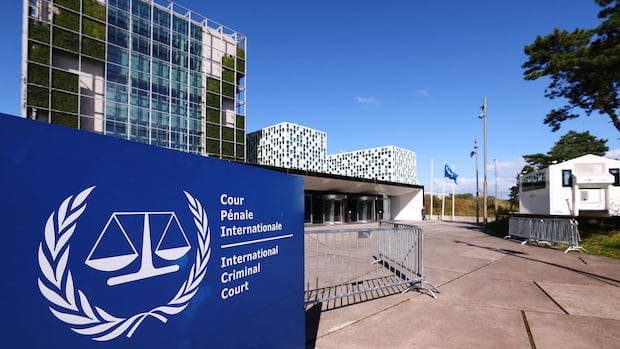
The European Parliament has awarded the Sakharov Prize to the International Criminal Court (ICC) in a move that underscores the importance of upholding international law and justice. This decision comes as the tribunal in The Hague faces increasing scrutiny and criticism from var...
The European Parliament has awarded the Sakharov Prize to the International Criminal Court (ICC) in a move that underscores the importance of upholding international law and justice. This decision comes as the tribunal in The Hague faces increasing scrutiny and criticism from various quarters, particularly the United States under President Donald Trump's administration. The Human Dimension
The ICC's work extends far beyond the realm of politics, impacting individuals and communities worldwide. The tribunal's efforts to hold perpetrators of war crimes, crimes against humanity, and genocide accountable for their actions have a direct impact on victims and their families. For instance, the ICC's investigations into atrocities committed in Sudan, Democratic Republic of Congo, and Uganda have provided a measure of closure and justice for those affected. Furthermore, the court's work sets a crucial precedent for national courts, encouraging them to prosecute similar crimes domestically. This has significant implications for communities where impunity has long been a major obstacle to peace and reconciliation. What This Means Going Forward
In light of this development, it is essential to monitor the potential fallout from this decision. The Trump administration's vocal opposition to the ICC may escalate further, potentially leading to increased diplomatic tensions between the US and Europe. However, this prize also sends a powerful message about the importance of upholding international law and protecting human rights. As such, it is crucial for individuals and organizations around the world to continue advocating for justice and accountability. For those working in fields related to human rights, international law, or conflict resolution, this decision highlights the significance of their work in promoting global stability and security. It also serves as a reminder that even in the face of adversity, collective action can lead to positive change. In conclusion, the EU's Sakharov Prize is a testament to the ICC's tireless efforts to uphold international justice. As we move forward, it is essential to recognize the far-reaching implications of this decision on individuals, communities, and global relations. By continuing to support institutions like the ICC, we can work towards creating a more just and equitable world where human rights are protected and respected.