Social Media Influence and Accountability in the Digital Age
Summary:
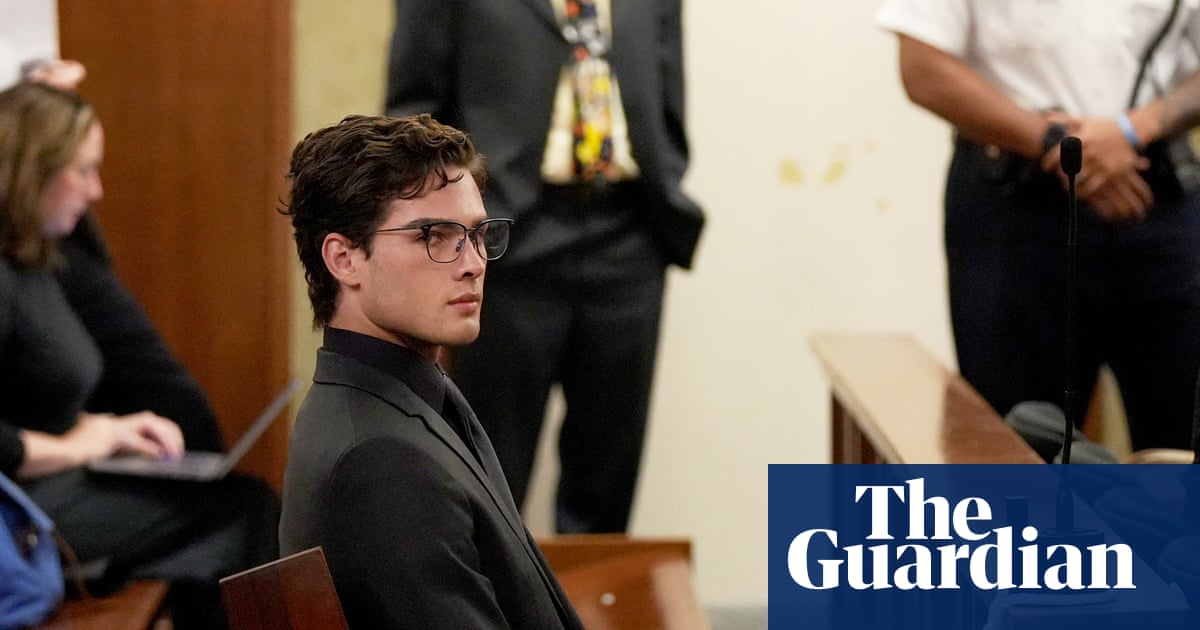
The rise of social media influencers has brought significant changes to the way we consume information, interact with others, and perceive authority figures. Recently, a prominent 'looksmaxxing' influencer, Clavicular, has found himself at the center of a highly publicized scanda...
The rise of social media influencers has brought significant changes to the way we consume information, interact with others, and perceive authority figures. Recently, a prominent 'looksmaxxing' influencer, Clavicular, has found himself at the center of a highly publicized scandal. He has pleaded not guilty to charges of raping a teenager after allegedly giving her alcohol until she was drunk and then sexually assaulting her. The Human Dimension The allegations against Clavicular have far-reaching implications for individuals, particularly young people who look up to influencers as role models. The incident highlights the need for greater accountability among social media personalities, who often wield significant influence over their followers' thoughts, behaviors, and perceptions. This case serves as a stark reminder that social media fame does not exempt individuals from the law or moral responsibility. The victim in this case is not just an individual but also a representation of the many young people who are vulnerable to exploitation online. Moreover, this incident underscores the importance of digital literacy and online safety for both children and adults. As social media continues to shape our lives, it is essential to critically evaluate the content we consume and the people we follow. Parents, educators, and guardians must also be aware of the potential risks associated with social media and take proactive steps to protect their children from online harm. What This Means Going Forward In the coming weeks and months, it is likely that this case will spark a broader conversation about social media accountability and online safety. Governments, regulatory bodies, and social media platforms will need to work together to establish clearer guidelines and consequences for influencers who engage in exploitative or predatory behavior. Additionally, individuals must be more discerning when consuming online content and prioritize their own well-being over the influence of celebrities or influencers. Ultimately, this case serves as a wake-up call for all of us to be more mindful of our online presence and the impact it can have on our lives and those around us. By promoting digital literacy, critical thinking, and empathy, we can create a safer and more responsible online environment for everyone.