European Parliament honors International Criminal Court for upholding global justice
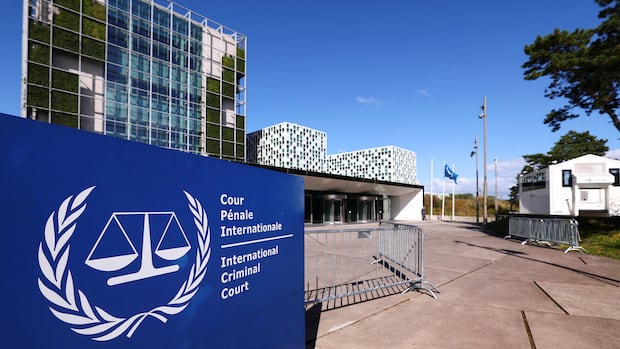
Summary:
The European Parliament has awarded the Sakharov Prize to the International Criminal Court (ICC), recognizing its crucial role in promoting international law and justice. This decision comes at a time when the ICC has faced intense criticism from the Trump administration, which h...
The European Parliament has awarded the Sakharov Prize to the International Criminal Court (ICC), recognizing its crucial role in promoting international law and justice. This decision comes at a time when the ICC has faced intense criticism from the Trump administration, which has sought to undermine its authority. The prize is a significant endorsement of the ICC's work, but what does it mean for ordinary people around the world? The Human Dimension
The ICC's work is not just about holding perpetrators accountable for war crimes and human rights abuses; it is also about providing hope and justice to victims and their families. For people living in conflict zones or affected by atrocities, the ICC's existence serves as a reminder that their suffering will not be ignored or forgotten. The court's efforts to investigate and prosecute crimes have helped to create a sense of accountability, which can be a powerful deterrent against future abuses. Moreover, the ICC's work has implications beyond the courtroom. By upholding international law and promoting justice, the court helps to create a more stable and secure world. This, in turn, can lead to greater economic opportunities, improved health outcomes, and enhanced social welfare for communities affected by conflict. What This Means Going Forward
The Sakharov Prize is a significant recognition of the ICC's importance, but it also underscores the challenges that lie ahead. As tensions between Western countries and authoritarian regimes continue to rise, the ICC may face further pressure to compromise its independence. However, this award should serve as a reminder that international institutions like the ICC are essential for upholding global justice and protecting human rights. For individuals working in fields related to human rights, international law, or conflict resolution, this development offers valuable insights into the importance of perseverance in the face of adversity. It also highlights the need for continued support and advocacy for institutions like the ICC that play a critical role in promoting justice and accountability worldwide. As we look ahead, we can expect continued scrutiny of the ICC's work and its relationships with governments around the world. But with this prize comes a renewed commitment to upholding global justice and protecting human rights – a vital endeavor that benefits us all.