AI-aided diagnosis sparks concerns over delayed medical reviews
Summary:
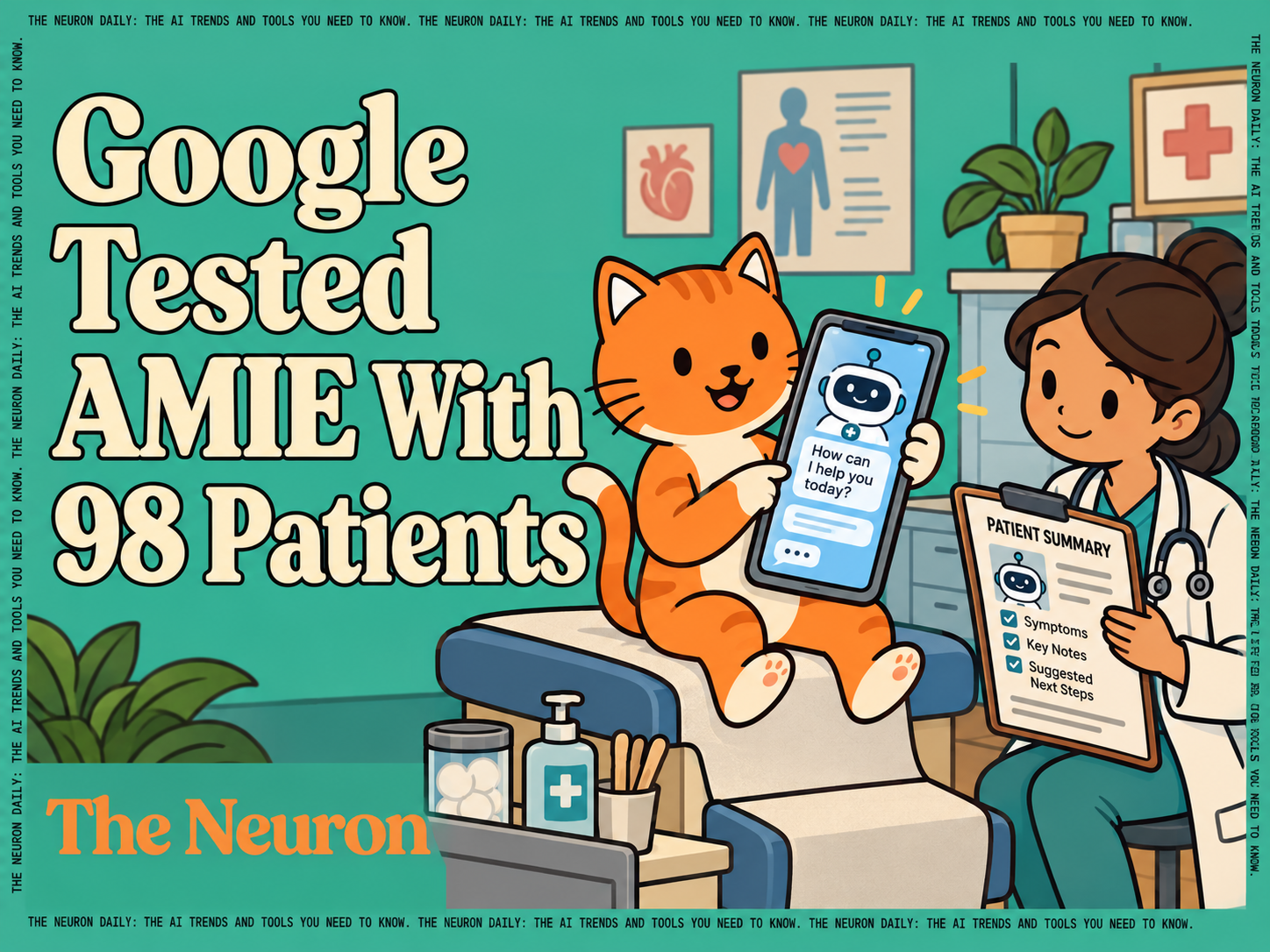
The tech giant Google has been testing its artificial intelligence (AI) model, AMIE, in urgent-care settings, where it was used to assist physicians in diagnosing 98 patients. This trial has garnered significant attention, but a more pressing concern has emerged from Utah's AI he...
The tech giant Google has been testing its artificial intelligence (AI) model, AMIE, in urgent-care settings, where it was used to assist physicians in diagnosing 98 patients. This trial has garnered significant attention, but a more pressing concern has emerged from Utah's AI healthcare pilots: what happens when medical reviews are delayed or even absent? The Human Dimension When AI models like AMIE are integrated into healthcare systems, the primary focus is on improving diagnosis accuracy and efficiency. However, this raises questions about the potential consequences of delayed or inadequate medical reviews. In the context of urgent-care settings, timely reviews by human physicians are crucial for ensuring that patients receive proper treatment and care. The introduction of AI models could lead to a reduction in human oversight, potentially compromising patient outcomes. Moreover, the lack of transparency and accountability surrounding AI decision-making processes raises concerns about patient trust and autonomy. Patients may feel that their medical decisions are being influenced by algorithms rather than human clinicians. This could erode trust in the healthcare system as a whole, leading to decreased patient engagement and adherence to treatment plans. What This Means Going Forward As more healthcare systems adopt AI technologies like AMIE, it is essential to address these concerns through rigorous testing, evaluation, and regulation. Healthcare providers must ensure that AI models are integrated in ways that prioritize human oversight and review processes. This might involve implementing protocols for regular review of AI-generated diagnoses or developing new training programs for clinicians to work effectively alongside AI systems. Patients and caregivers should also be aware of the potential risks associated with AI-assisted diagnosis. When seeking medical attention, they should ask questions about the role of AI in their diagnosis and treatment plan. By promoting transparency and collaboration between humans and machines, we can harness the benefits of AI while protecting the well-being of individuals and communities. Ultimately, the successful integration of AI in healthcare requires a nuanced approach that balances technological innovation with human values and needs. By prioritizing patient-centered care and transparent decision-making processes, we can create a safer, more effective healthcare system for all.