Autonomous taxi trials in London spark job security concerns for drivers
Summary:
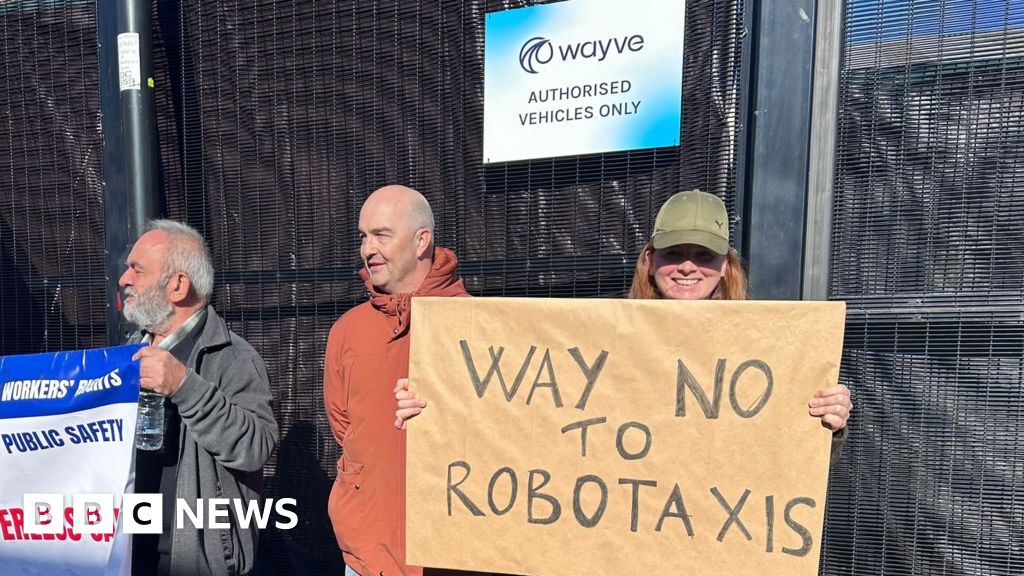
Protesters gathered outside the offices of Wayve, a technology company behind London's robotaxi trials, to voice their opposition to the ongoing experiments. The demonstrations were led by unions representing drivers, who fear that autonomous taxis could lead to significant job l...
Protesters gathered outside the offices of Wayve, a technology company behind London's robotaxi trials, to voice their opposition to the ongoing experiments. The demonstrations were led by unions representing drivers, who fear that autonomous taxis could lead to significant job losses in the taxi and private hire industries. The protesters' concerns highlight the human dimension of this public event, as we examine what this means for people, workers, and communities. The Human Dimension
Unions argue that if autonomous taxis become a norm, many drivers will lose their livelihoods. Taxi driving is a primary source of income for thousands of individuals, supporting families and communities across London. The potential loss of jobs not only affects these workers directly but also has a ripple effect on local economies. Moreover, many drivers rely on their vehicles for transportation to and from work, making it difficult for them to adapt to a shift in employment opportunities. This concern is not unique to London; as cities worldwide begin to integrate autonomous vehicles into their transportation systems, similar job security concerns are likely to arise. What This Means Going Forward
As the debate surrounding autonomous taxis continues, it is essential for policymakers and industry stakeholders to engage with affected communities and consider measures that mitigate potential job losses. Governments could explore retraining programs or financial support for displaced workers. Furthermore, companies like Wayve must address the social implications of their technology by engaging with unions and ensuring that their innovations prioritize human well-being. As consumers, we should also consider the broader consequences of our choices when using ride-hailing services or autonomous taxis – are we contributing to job insecurity or driving progress? In the coming weeks and months, we can expect more discussions about regulating autonomous vehicles and finding ways to balance technological advancement with social responsibility. Ultimately, this debate serves as a reminder that technological innovation must be balanced with human values. As governments and industries move forward with integrating autonomous vehicles into our cities, they must prioritize the well-being of workers and communities who may be impacted by these changes. By doing so, we can ensure that progress benefits everyone – not just a select few – and create more sustainable futures for all.