Global biodiversity pact requires inclusive decision-making on species conservation
Summary:
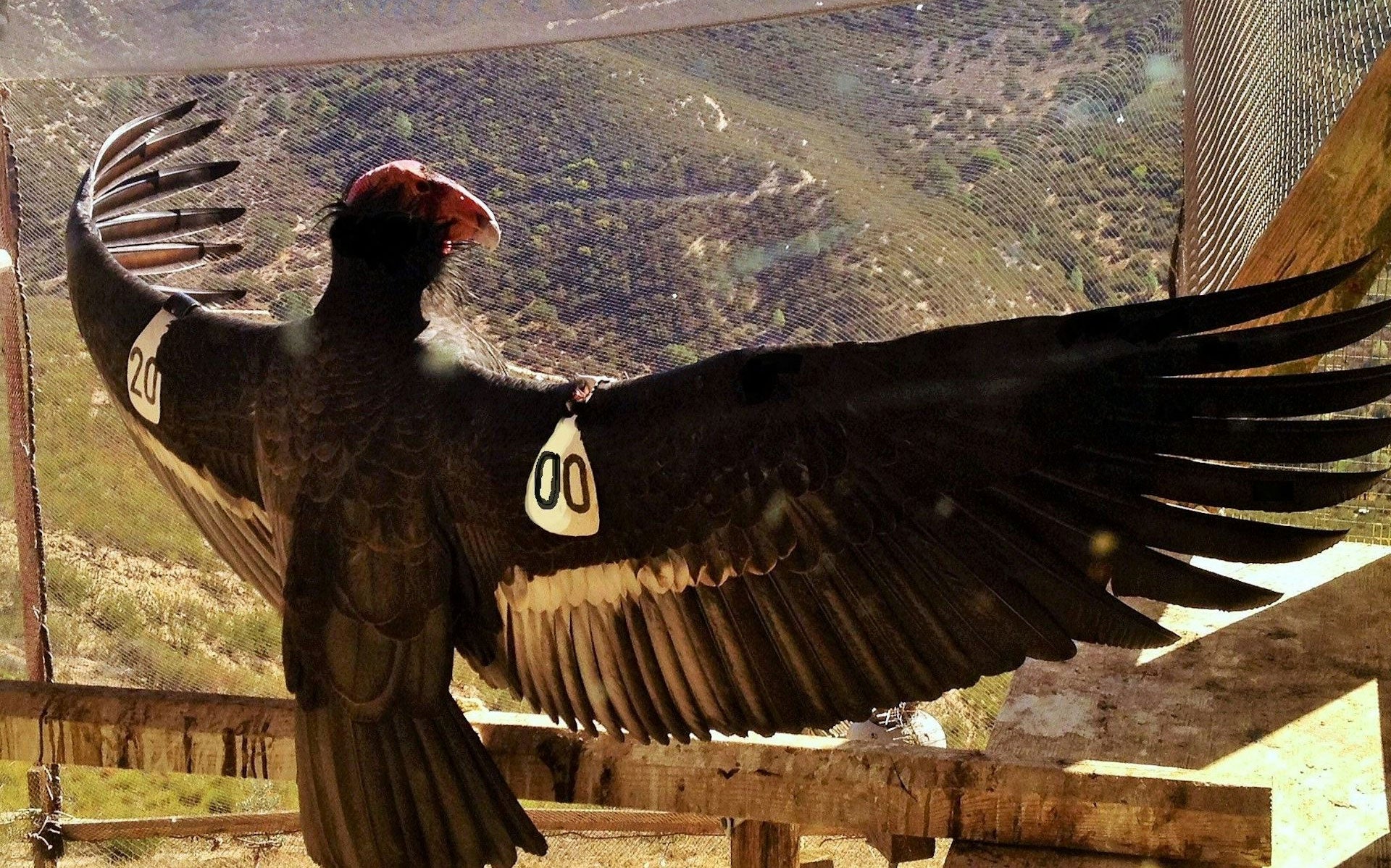
The recent push for a global biodiversity treaty has sparked debates on who should have a say in deciding which species to save. The California condor's remarkable recovery serves as a poignant example, highlighting the complexities of conservation efforts and the need for inclus...
The recent push for a global biodiversity treaty has sparked debates on who should have a say in deciding which species to save. The California condor's remarkable recovery serves as a poignant example, highlighting the complexities of conservation efforts and the need for inclusive decision-making. The Human Dimension
----------------- The fate of endangered species like the California condor has significant implications for human communities. As we grapple with the consequences of climate change, habitat destruction, and pollution, conserving biodiversity becomes essential for maintaining ecosystem services that underpin human well-being. For instance, pollinators like bees and butterflies are crucial for food production, while clean air and water are vital for public health. The loss of these species can have far-reaching consequences for human livelihoods, particularly in rural communities where people rely heavily on natural resources. Furthermore, the California condor's story underscores the importance of community engagement in conservation efforts. Local communities played a pivotal role in the bird's recovery, working closely with conservationists to develop effective conservation strategies. This collaborative approach not only increased the condor's population but also provided economic benefits to local communities through ecotourism and sustainable livelihoods. What This Means Going Forward
----------------------------- As negotiations for a global biodiversity treaty gain momentum, it is essential to ensure that decision-making processes are inclusive and participatory. This means engaging local communities, indigenous peoples, and other stakeholders in the conservation effort to ensure that their needs and concerns are taken into account. By doing so, we can develop effective conservation strategies that balance human needs with environmental protection. In practical terms, this means governments and international organizations must prioritize community-based conservation initiatives that empower local communities to take ownership of conservation efforts. It also requires policymakers to adopt a more nuanced approach to development, recognizing that economic growth must be balanced with environmental protection. Ultimately, the fate of endangered species like the California condor serves as a reminder that our actions have consequences for human societies. By prioritizing inclusive decision-making and community engagement in conservation efforts, we can work towards a more sustainable future where humans and nature thrive together.