UK authorities redouble efforts to counter alleged Iranian intelligence operations
Summary:
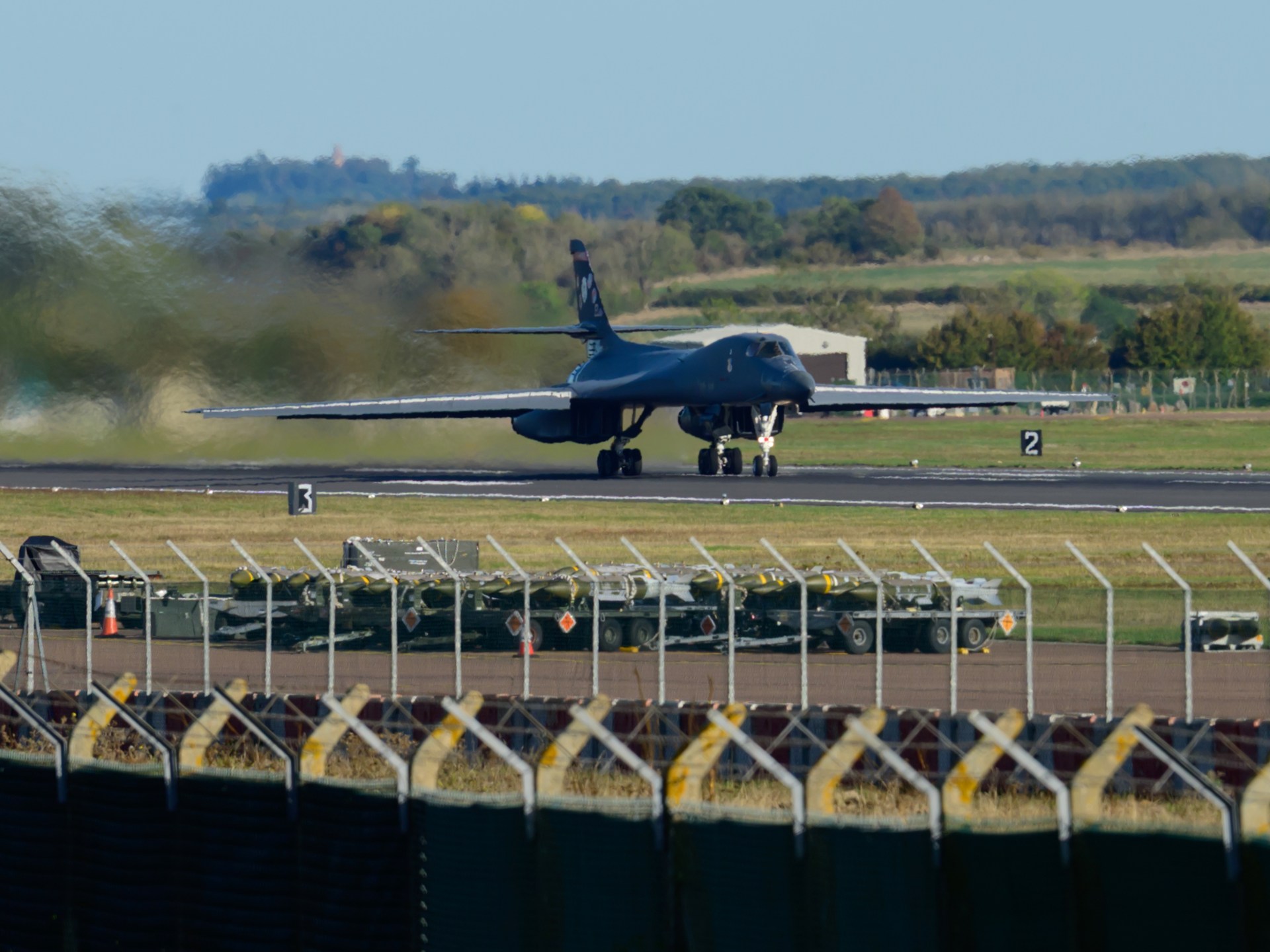
The UK police have rearrested two men on suspicion of assisting Iran's intelligence services, in a move that underscores the complex web of international espionage and counter-espionage. The duo was initially arrested in connection with a suspected link to an incident at a US-run...
The UK police have rearrested two men on suspicion of assisting Iran's intelligence services, in a move that underscores the complex web of international espionage and counter-espionage. The duo was initially arrested in connection with a suspected link to an incident at a US-run airbase used for striking Iranian targets during this year's conflict. The rearrests signal a heightened state of alertness in the UK, as law enforcement agencies grapple with the challenge of detecting and countering foreign intelligence operations on their soil. The Human Dimension For people living in the UK, particularly those with family ties to Iran or other countries embroiled in the conflict, this development may evoke feelings of anxiety and uncertainty. The rearrests highlight the delicate balance between national security and individual freedoms, raising questions about the extent to which citizens' privacy is compromised in the pursuit of counter-intelligence. Furthermore, this case serves as a reminder that global conflicts can have far-reaching consequences, affecting not only military personnel but also civilians and their families. The implications of this situation extend beyond the UK, as it underscores the growing trend of foreign intelligence agencies operating on Western soil. This trend has significant implications for workers in industries such as aerospace and defense, who may be more vulnerable to recruitment by foreign powers. Students and researchers studying Middle Eastern politics or international relations may also find themselves scrutinized by security services, as their work could be perceived as having potential security implications. What This Means Going Forward As tensions between Western nations and Iran continue to escalate, it is likely that similar cases will emerge in the coming weeks and months. Readers should be aware that increased security measures may affect their daily lives, particularly if they have connections to countries involved in the conflict. This may include enhanced vetting processes for certain professions or increased surveillance in areas with high concentrations of individuals with potential security risks. In conclusion, the rearrests of two men on suspicion of assisting Iran's intelligence services serve as a poignant reminder that global conflicts have far-reaching human consequences. As we navigate this complex landscape, it is essential to prioritize transparency and accountability in our national security efforts, ensuring that individual freedoms are protected while maintaining national security.