Italy's Economic Unrest Sets Off a Chain Reaction for Local Businesses
Summary:
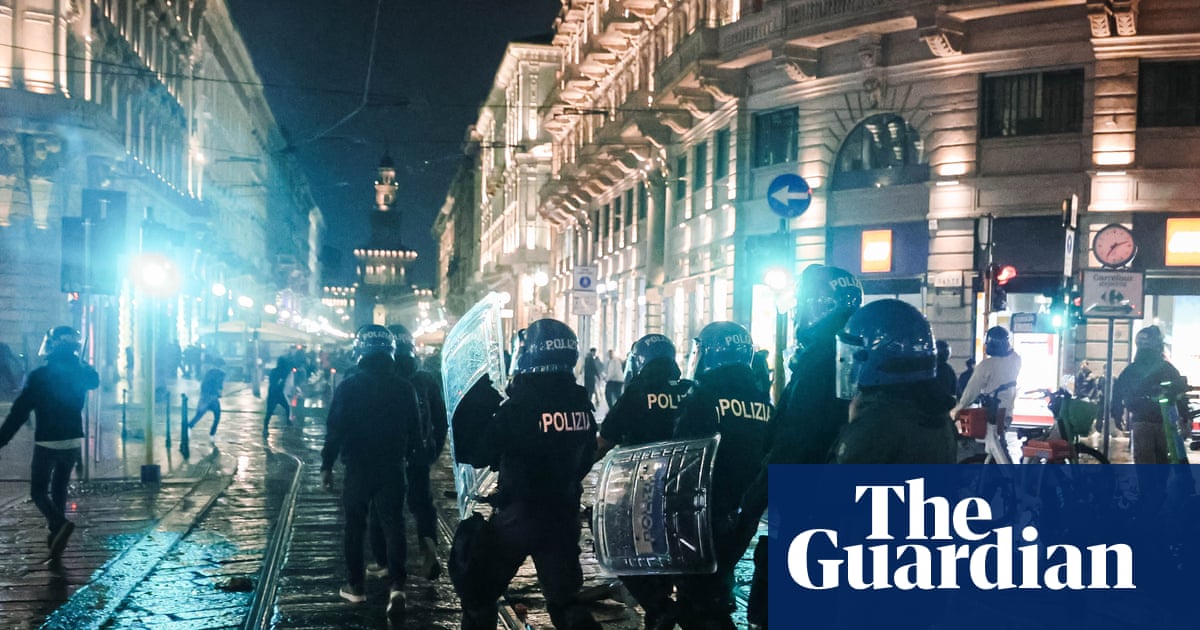
Italy is on the brink of a deepening economic crisis, with protests and unrest spreading to major cities like Milan. The situation escalated over the weekend, with luxury shops being forced to close due to widespread looting and vandalism. The demonstrations were sparked by growi...
Italy is on the brink of a deepening economic crisis, with protests and unrest spreading to major cities like Milan. The situation escalated over the weekend, with luxury shops being forced to close due to widespread looting and vandalism. The demonstrations were sparked by growing discontent over poor public services and rising costs, which have left many residents struggling to make ends meet. The Human Dimension The impact of these protests goes far beyond the immediate destruction of property and disruption of business operations. For local workers, students, and families, the economic instability has severe consequences. Many small business owners rely on foot traffic from high-end shopping districts to sustain their livelihoods. With luxury shops forced to close, these entrepreneurs face a significant loss in revenue, potentially forcing them out of business altogether. Students who depend on part-time jobs or internships in these areas may find themselves without a source of income or work experience. Furthermore, the strain on public services is likely to worsen as more people lose their jobs or struggle to afford basic necessities. This could lead to increased pressure on healthcare systems, schools, and other essential services that are already underfunded. The long-term effects of this economic instability will be felt across various sectors, including education, employment, and healthcare. What This Means Going Forward As Italy grapples with this economic crisis, there are several key developments that readers should watch for in the coming weeks and months. One crucial aspect will be how the government responds to the protests and addresses the underlying issues driving the unrest. Will they implement policies aimed at reducing costs and improving public services? How will they support small businesses and entrepreneurs affected by the closures? These questions will have far-reaching implications for everyday people in Italy and beyond. For global citizens looking for practical advice on navigating economic uncertainty, this situation serves as a reminder of the importance of financial resilience. Building an emergency fund, diversifying income streams, and staying adaptable can help mitigate the impact of economic shocks. As we watch Italy's situation unfold, it's essential to prioritize our own financial stability and be prepared for any challenges that may arise in our own communities.