Scientists Successfully Convert Mature Blood Cells into Younger Brain Cells
Summary:
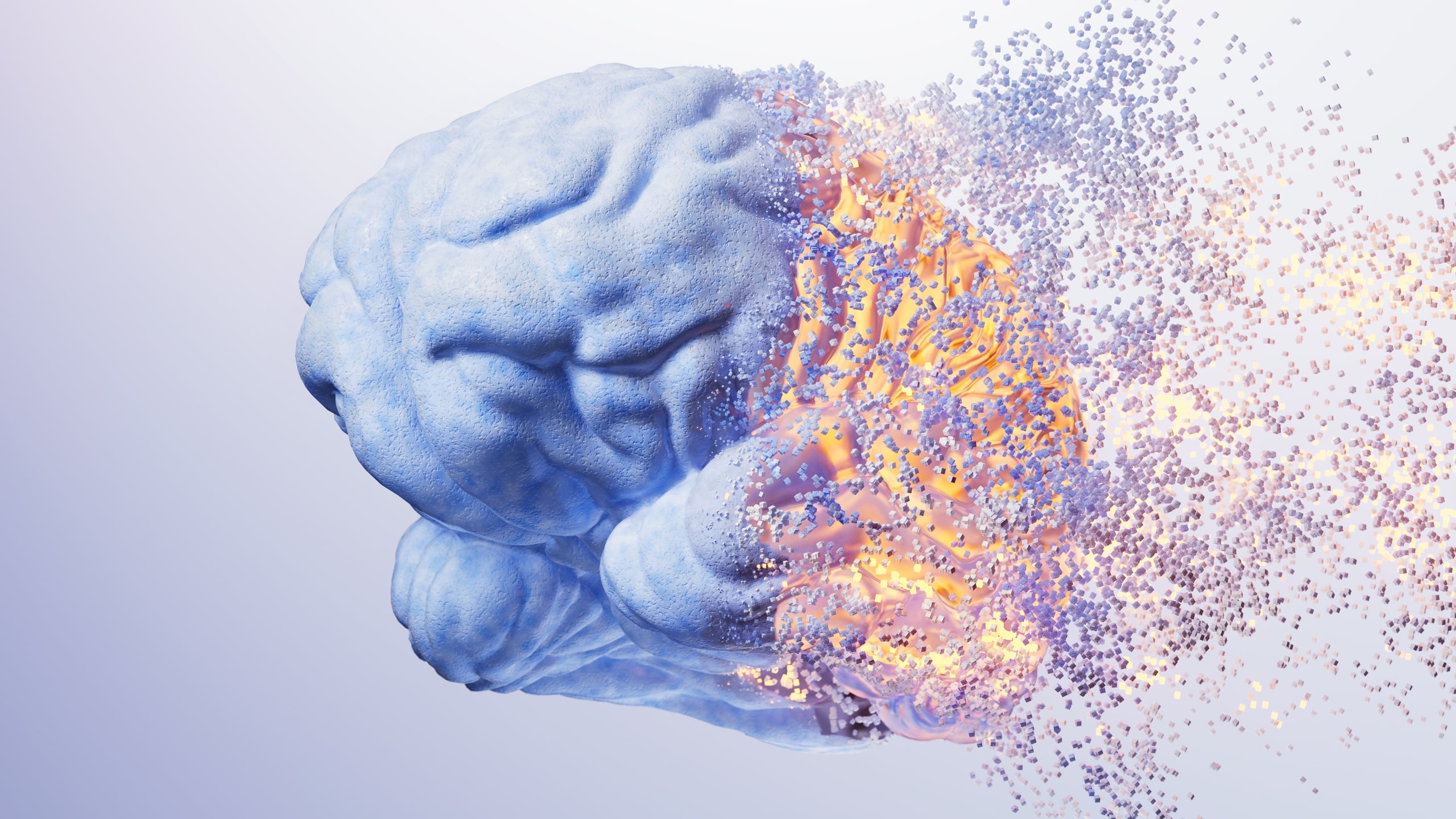
The groundbreaking discovery of transforming old blood cells into younger brain stem cells has sent shockwaves in the scientific community. Researchers have successfully converted mature blood cells into a type of cell that can develop into various types of brain cells, including...
The groundbreaking discovery of transforming old blood cells into younger brain stem cells has sent shockwaves in the scientific community. Researchers have successfully converted mature blood cells into a type of cell that can develop into various types of brain cells, including those responsible for memory and learning. This breakthrough could potentially lead to new treatments for age-related neurological disorders. The Human Dimension This astonishing feat has significant implications for people around the world, particularly those suffering from age-related cognitive decline. Imagine being able to rejuvenate one's own brain cells, restoring vitality and sharpness that may have been lost over time. For patients with neurodegenerative diseases such as Alzheimer's and Parkinson's, this discovery offers hope for a more effective treatment. Moreover, this development could pave the way for new therapeutic approaches to address age-related mental health issues, such as depression and anxiety. Furthermore, this research highlights the vast potential of regenerative medicine in improving human health. As our global population ages, the demand for innovative solutions to address age-related health issues is growing exponentially. This breakthrough underscores the importance of investing in medical research and development to unlock the secrets of human aging. By harnessing the power of regenerative medicine, we may be able to slow down or even reverse some of the debilitating effects of aging. What This Means Going Forward As scientists continue to refine this process, we can expect to see more exciting developments in the field of regenerative medicine. In the coming months, researchers may explore ways to apply this technology to other types of cells, expanding its potential therapeutic applications. Patients with age-related cognitive decline may soon have access to novel treatments that can restore their brain function. Additionally, this breakthrough could inspire new areas of research into human aging, leading to a deeper understanding of the complex processes that govern our bodies. In conclusion, the successful transformation of old blood cells into younger brain cells is a monumental achievement that holds immense promise for human health. As we continue to unravel the mysteries of aging, we may be able to unlock new pathways to improved healthspan and quality of life.