Unexpected Intervention by Marine Life at South Africa's Nuclear Power Plant
Summary:
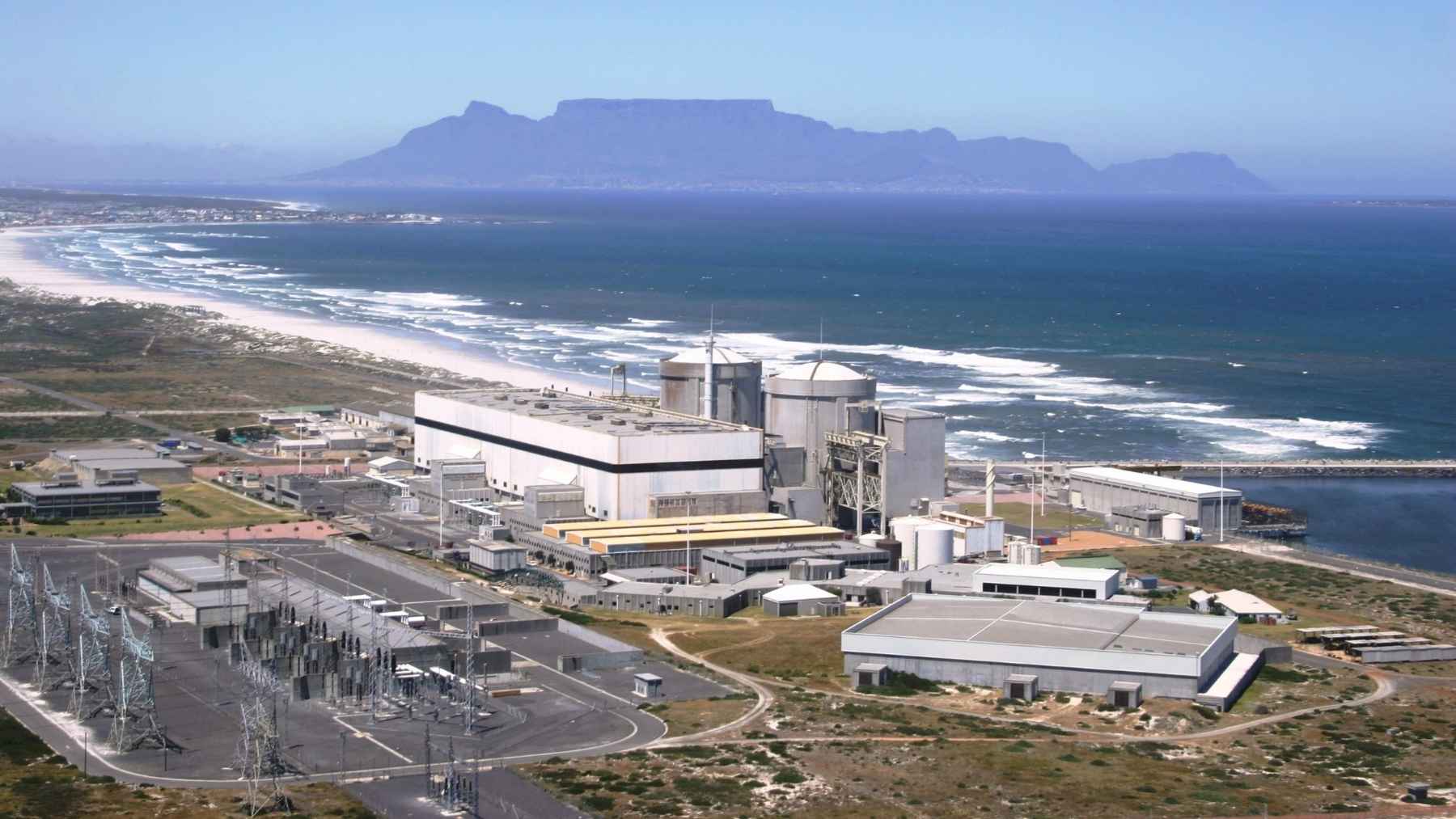
The recent incident at South Africa's sole nuclear power plant has sent shockwaves across the continent, highlighting the intricate relationship between human infrastructure and the natural world. A 930-megawatt reactor on the South African coast was temporarily reduced to half p...
The recent incident at South Africa's sole nuclear power plant has sent shockwaves across the continent, highlighting the intricate relationship between human infrastructure and the natural world. A 930-megawatt reactor on the South African coast was temporarily reduced to half power after a massive influx of dead sardines clogged its seawater intake, causing a cooling pump to malfunction. The Human Dimension
---------------- While the technicalities of the incident are certainly noteworthy, it is essential to consider the broader implications for people living in proximity to this facility. The Koeberg Nuclear Power Plant, situated near Cape Town, serves as a vital source of electricity for millions of South Africans. However, this unexpected shutdown also underscores the vulnerability of such critical infrastructure to unforeseen events – in this case, a marine phenomenon. As we grapple with the complexities of climate change and its far-reaching impacts on ecosystems, it is crucial to recognize that even seemingly isolated incidents can have far-reaching consequences. What This Means Going Forward
----------------------------- In the coming weeks and months, residents nearby may notice a slight reduction in electricity supply as plant operators work to rectify the situation. Meanwhile, environmentalists will likely scrutinize this event as an example of how human activities intersect with and influence natural systems. For global citizens, this incident serves as a poignant reminder of our shared responsibility to acknowledge and address the delicate balance between technological advancements and ecological well-being. As we strive towards sustainable development, we must prioritize a holistic understanding of these interconnected systems. The incident at South Africa's nuclear power plant offers a valuable lesson in adaptability and resilience in the face of unpredictable circumstances. By embracing a more nuanced appreciation for the intricate relationships between human-made structures and their natural surroundings, we can foster a more sustainable future – one that prioritizes both human needs and environmental stewardship.