Economic downturn forces Latvia's LDz Cargo to offload assets
Summary:
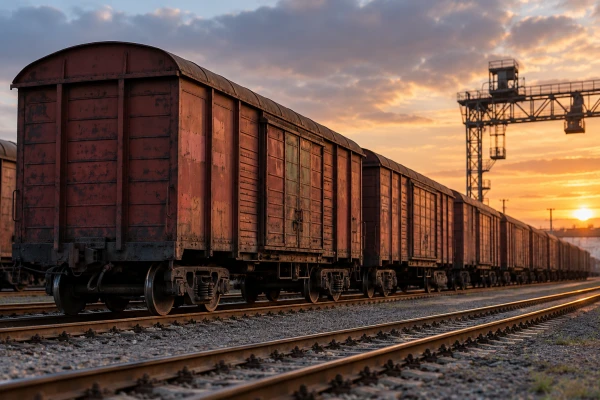
The multimillion-dollar losses suffered by LDz Cargo, a major rail cargo operator in Latvia, have led to a drastic decision. The company is auctioning off dozens of wagons, marking a significant shift in the rail freight industry. The sale, which includes eight lots of wagons, of...
The multimillion-dollar losses suffered by LDz Cargo, a major rail cargo operator in Latvia, have led to a drastic decision. The company is auctioning off dozens of wagons, marking a significant shift in the rail freight industry. The sale, which includes eight lots of wagons, offers a glimpse into the economic challenges faced by transport companies worldwide. The Human Dimension
The financial struggles of LDz Cargo are likely to have far-reaching consequences for workers in the rail industry. As companies like LDz Cargo restructure to stay afloat, employees may face job insecurity or even layoffs. This could have a ripple effect on families and communities that rely on stable employment. Furthermore, the decline of the rail cargo sector could also impact students pursuing careers in transportation or logistics. As training programs and job opportunities dwindle, young professionals may be forced to explore alternative fields. What This Means Going Forward
The auctioning off of wagons by LDz Cargo serves as a warning sign for the global economy. As trade tensions and economic downturns continue to affect businesses worldwide, we can expect more companies to reassess their assets and operations. Readers should be prepared for similar scenarios unfolding in their own industries. By staying informed about market trends and adapting to changing circumstances, individuals can better position themselves for success in an uncertain economy. This may involve upskilling or reskilling to remain relevant in an evolving job market. In conclusion, the decision by LDz Cargo to put its wagons up for auction highlights the human cost of economic instability. As we navigate an increasingly complex global economy, it is essential to consider the practical implications of such decisions on workers, students, and communities. By acknowledging these interconnected challenges and taking proactive steps towards personal and professional development, individuals can mitigate the risks associated with economic downturns and thrive in a rapidly changing world.