Neighbourly Aid Rejected: Human Implications of Nepal's Decision
Summary:
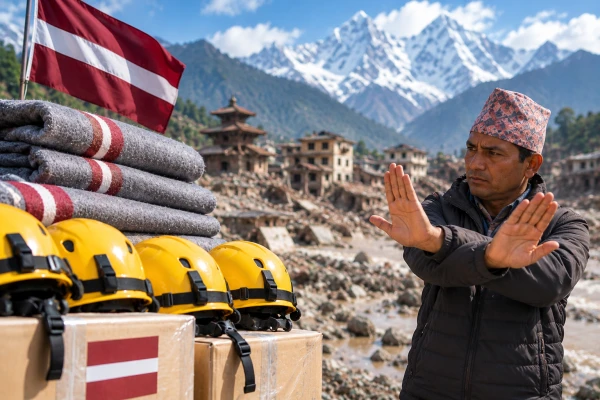
Nepal has declined a generous offer of aid from Latvia, consisting of 6,000 blankets and 50 helmets. According to information prepared by the Ministry of the Interior of Latvia, the proposed assistance was not deemed necessary. The decision may seem insignificant to some, but it...
Nepal has declined a generous offer of aid from Latvia, consisting of 6,000 blankets and 50 helmets. According to information prepared by the Ministry of the Interior of Latvia, the proposed assistance was not deemed necessary. The decision may seem insignificant to some, but it has significant implications for individuals and communities in Nepal. The Human Dimension The rejection of aid is a reflection of Nepal's self-sufficiency and resilience in the face of adversity. However, it also raises concerns about the country's preparedness for potential crises. The donated blankets and helmets could have provided critical relief to vulnerable populations, such as the elderly, children, and disaster-affected families. The absence of these essential items may leave them exposed to harsh weather conditions and increased risk of injury. Moreover, the decision may have long-term consequences for Nepal's emergency response infrastructure, as it may not be equipped to handle future disasters. The rejection also highlights the complexities of international aid and cooperation. Nepal's decision may have been influenced by various factors, including diplomatic relations with Latvia, domestic policies, or concerns about dependency on foreign aid. Whatever the reason, it underscores the need for clear communication and coordination between governments when it comes to providing and accepting aid. What This Means Going Forward As Nepal moves forward, it is essential for citizens to engage in open discussions about emergency preparedness and response strategies. Communities must come together to identify areas where they can improve their resilience to natural disasters. This may involve investing in infrastructure development, enhancing early warning systems, or promoting public awareness campaigns. For individuals living in disaster-prone areas or those who are vulnerable to extreme weather conditions, it is crucial to have a plan in place for emergencies. This can include creating an emergency kit with essential items such as blankets and helmets, staying informed about weather forecasts, and having a communication plan in place with family members. In conclusion, while Nepal's decision to reject Latvian aid may seem like a minor event on the surface, it holds significant implications for individuals and communities in the country. As we move forward, it is essential to prioritize open dialogue, community engagement, and emergency preparedness to ensure that all citizens are better equipped to face challenges head-on.