Deadly Amoeba's Stealthy Brain Invasion Methods Unveiled
Summary:
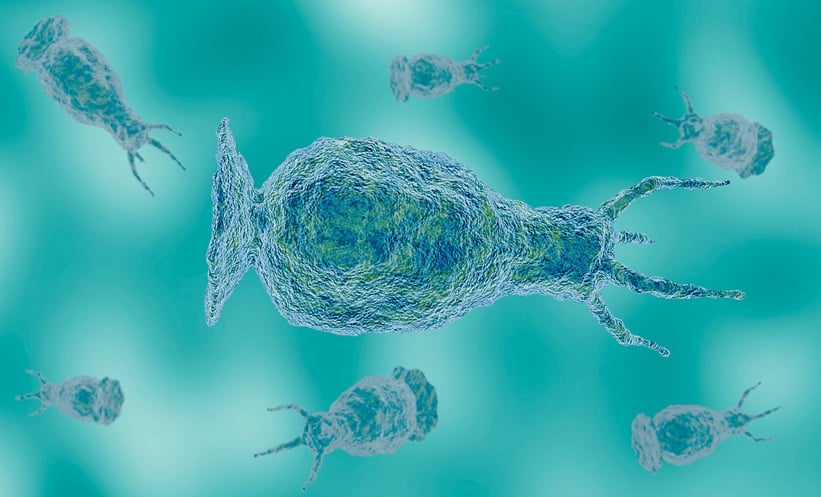
Naegleria fowleri, a microscopic amoeba, has long been known for its deadly brain infections. Recent research has shed light on how this parasite navigates confined spaces to trigger fatal encephalitis. The human dimension of this discovery is crucial, as it affects not only indi...
Naegleria fowleri, a microscopic amoeba, has long been known for its deadly brain infections. Recent research has shed light on how this parasite navigates confined spaces to trigger fatal encephalitis. The human dimension of this discovery is crucial, as it affects not only individuals but also communities worldwide. The Human Dimension
------------------- Naegleria fowleri is often associated with freshwater swimming holes and contaminated water sources. For people living in or visiting areas prone to waterborne diseases, the risk of infection is significantly higher. This includes workers in the tourism and recreation industries, students on school field trips, and families enjoying outdoor activities. Moreover, the parasite's ability to thrive in warm temperatures and low water flow rates means that even seemingly safe water sources can harbor the deadly amoeba. For communities relying on untreated or poorly maintained water systems, the threat of Naegleria fowleri infections is a pressing concern. The recent research findings have significant implications for public health policy and education. As we learn more about the amoeba's behavior, we can develop targeted prevention strategies and improve early detection methods. This includes increasing awareness about the risks associated with swimming in contaminated waters and promoting proper water treatment practices. What This Means Going Forward
------------------------------ In the coming weeks and months, we can expect to see a renewed focus on water safety measures and public education campaigns. Health authorities will likely issue guidelines for safe swimming practices and recommend regular water testing in areas prone to Naegleria fowleri infections. Individuals can also take proactive steps by avoiding swimming in unknown or untreated waters, wearing nose clips when swimming in warm waters, and using filtered drinking water. As we continue to unravel the mysteries of Naegleria fowleri's brain invasion mechanisms, it is essential to remember that this is not just a scientific curiosity – it is a matter of human life and well-being. By understanding how this parasite operates, we can work towards preventing tragic cases of encephalitis and protecting communities worldwide from its deadly reach.