Autonomous taxis in London face resistance from drivers' unions
Summary:
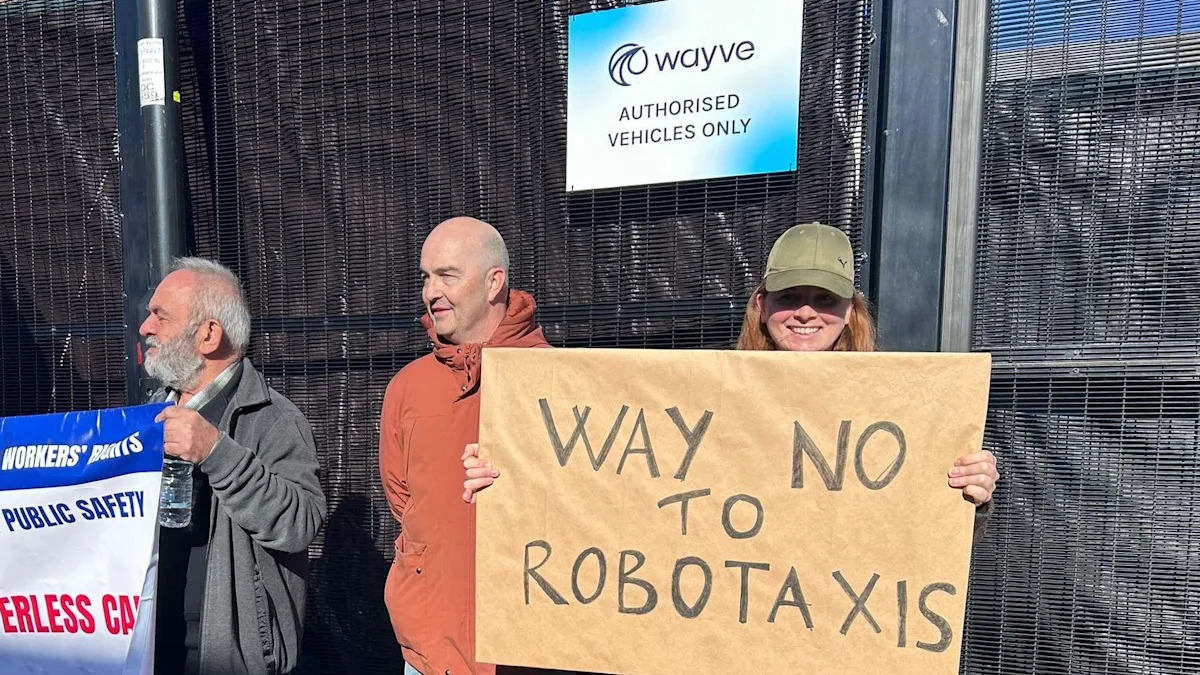
The city of London is at the forefront of a global debate on the future of transportation, as protesters take to the streets to voice their opposition to robotaxi trials. At the heart of this controversy are the jobs of taxi and private hire drivers, who fear that autonomous vehi...
The city of London is at the forefront of a global debate on the future of transportation, as protesters take to the streets to voice their opposition to robotaxi trials. At the heart of this controversy are the jobs of taxi and private hire drivers, who fear that autonomous vehicles will lead to widespread job losses. The Human Dimension For taxi and private hire drivers, the prospect of being replaced by robots is a daunting one. Many rely on these jobs not just as a means of income but also as a way to provide for their families. The emotional toll of losing one's livelihood cannot be overstated, and it's essential to acknowledge the human impact of this technological shift. As automation becomes increasingly prevalent in various industries, it's crucial to consider the welfare of workers who may be displaced by new technologies. Beyond the immediate consequences for individual drivers, there are broader implications for local communities. Taxi and private hire services often cater to vulnerable populations, such as the elderly and those with disabilities. The loss of these services could exacerbate social isolation and limit access to essential services. Furthermore, the decline of traditional industries like taxi driving can have ripple effects on local economies, leading to decreased foot traffic and reduced business opportunities. What This Means Going Forward As cities like London continue to navigate the complexities of autonomous transportation, it's essential for policymakers to prioritize worker retraining programs and social support systems. By investing in education and upskilling initiatives, governments can help workers adapt to an increasingly automated economy. Additionally, cities should explore innovative solutions that integrate human-driven services with autonomous vehicles, ensuring that no one is left behind in this technological revolution. In conclusion, the debate over robotaxi trials in London is not just about technology; it's about people's lives. As we move forward in this era of rapid innovation, we must prioritize empathy and understanding for those who may be displaced by new technologies. By doing so, we can create a more equitable and sustainable future for all.