India's "Cockroach" movement founder released after detention conditions
Summary:
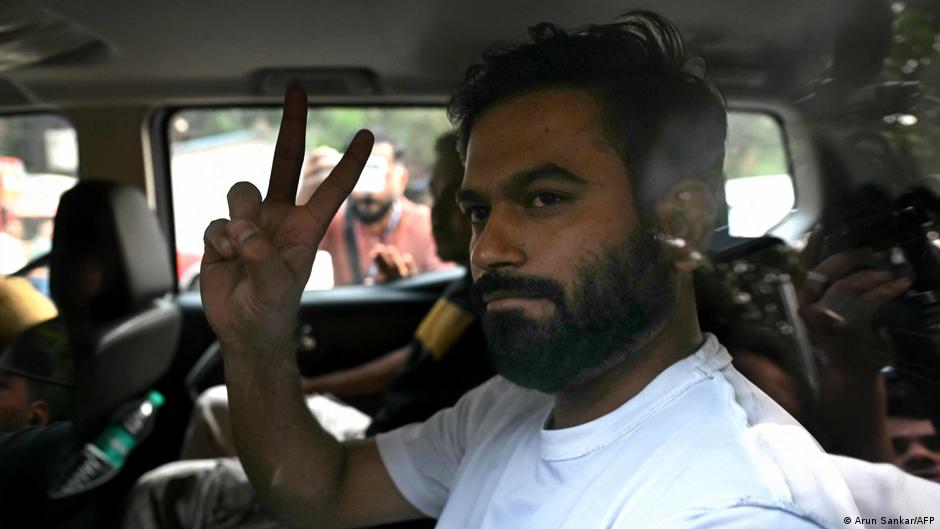
The founder of India's "Cockroach" movement, Abhijeet Dipke, has been released from detention after agreeing to certain conditions. This development marks a significant turn of events in the country, where freedom of speech and assembly have been increasingly curtailed.
The founder of India's "Cockroach" movement, Abhijeet Dipke, has been released from detention after agreeing to certain conditions. This development marks a significant turn of events in the country, where freedom of speech and assembly have been increasingly curtailed. The Human Dimension
Abhijeet Dipke's release has far-reaching implications for ordinary Indians. The "Cockroach" movement, known for its anti-corruption and social justice stances, has been at the forefront of India's civil society. The movement's activities often involve protests, rallies, and advocacy campaigns that aim to bring about positive change in Indian society. The detention of its founder sent shockwaves through the community, sparking concerns about the erosion of democratic rights. The conditions imposed on Dipke upon his release remain unclear, but it is likely that they will restrict his ability to engage in public activism. This development has significant implications for the "Cockroach" movement and its supporters. It may limit their ability to mobilize and organize effectively, thereby undermining their efforts to bring about meaningful change. What This Means Going Forward
In the coming weeks and months, it is essential to monitor the situation closely. The government's actions towards Dipke and his movement may signal a broader trend of increased repression against civil society organizations in India. This could have significant implications for workers' rights, student activism, and community organizing. For those interested in advocating for social justice or participating in public activism, it is crucial to be aware of the evolving landscape in India. The situation highlights the importance of protecting democratic rights and freedoms. By staying informed and engaged, individuals can make a difference in promoting a more just and equitable society. As people around the world continue to face challenges related to social justice and human rights, it is essential to recognize the shared human stake in these issues. The release of Abhijeet Dipke serves as a reminder that even small victories can have significant consequences for individuals and communities. By staying vigilant and committed to promoting democratic values, we can work towards creating a more just and equitable world for all.