Nigerian public voices call for a break from President Tinubu's tenure
Summary:
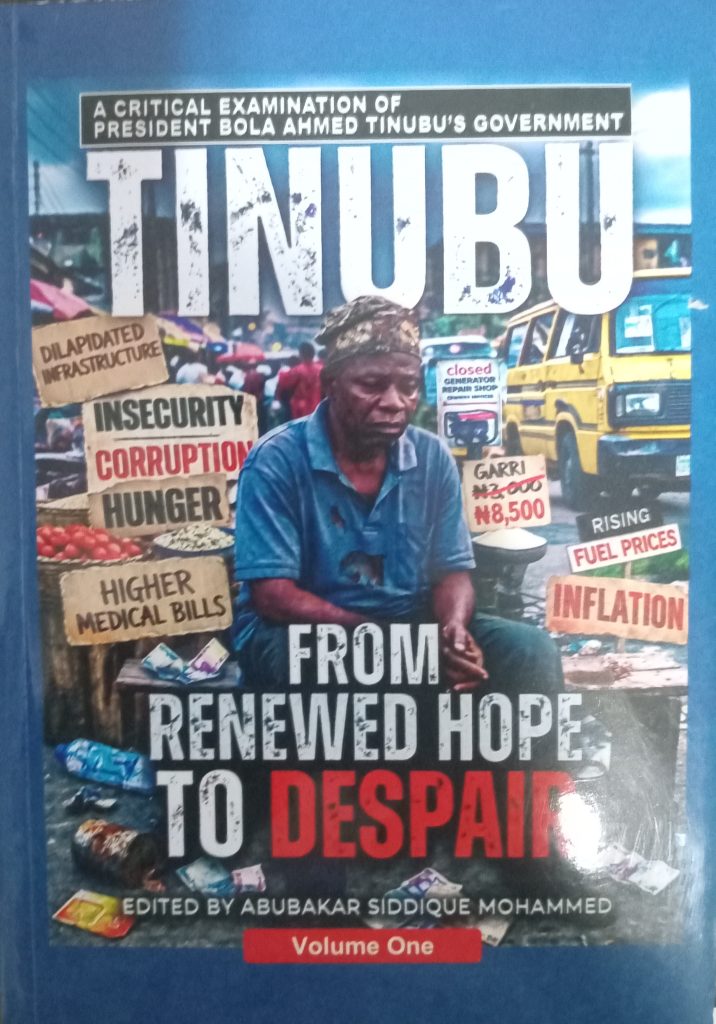
The recent book presentation event in Abuja saw a chorus of disapproval from various speakers regarding the prospect of President Bola Tinubu seeking re-election in 2027. The prevailing sentiment among attendees was that another four years under his leadership would irreparably h...
The recent book presentation event in Abuja saw a chorus of disapproval from various speakers regarding the prospect of President Bola Tinubu seeking re-election in 2027. The prevailing sentiment among attendees was that another four years under his leadership would irreparably harm Nigeria. This stance is not merely a political opinion but has far-reaching implications for the lives of ordinary Nigerians. The Human Dimension
The concerns raised by speakers at the event resonate deeply with the human experience. For millions of Nigerians, the country's economic woes and governance challenges are intertwined with their daily struggles. Families who can barely afford basic necessities may face even greater hardships if the current administration continues to mismanage resources. Students, workers, and patients are already feeling the brunt of systemic failures, and another four-year tenure could exacerbate these issues. The consequences of this scenario would be dire, with potential long-term effects on education, healthcare, and economic stability. Moreover, the ripple effects of poor governance extend beyond national borders. A struggling Nigeria affects regional and global stability, impacting trade relationships, security dynamics, and even humanitarian efforts. As a result, people worldwide who rely on Nigeria as a trade partner or have invested in its development may see their interests threatened. This serves as a stark reminder that national politics have far-reaching consequences that extend beyond geographical boundaries. What This Means Going Forward
In light of this event, Nigerians should remain vigilant and engage in informed discussions about the country's future. They should scrutinize policy proposals and candidates' track records to ensure that the next administration prioritizes human well-being above partisan interests. Similarly, international stakeholders can play a crucial role by advocating for transparency and accountability in Nigeria's governance processes. By doing so, they can help mitigate potential risks and promote a more stable environment for everyone involved. Ultimately, this development underscores the importance of putting people at the forefront of decision-making processes. As Nigerians prepare for future elections, it is essential to consider how each candidate's vision aligns with their needs and aspirations. By doing so, they can ensure that their voices are heard and their futures secured.