Girls' Sports Integrity at Stake as Schools Navigate Inclusivity
Summary:
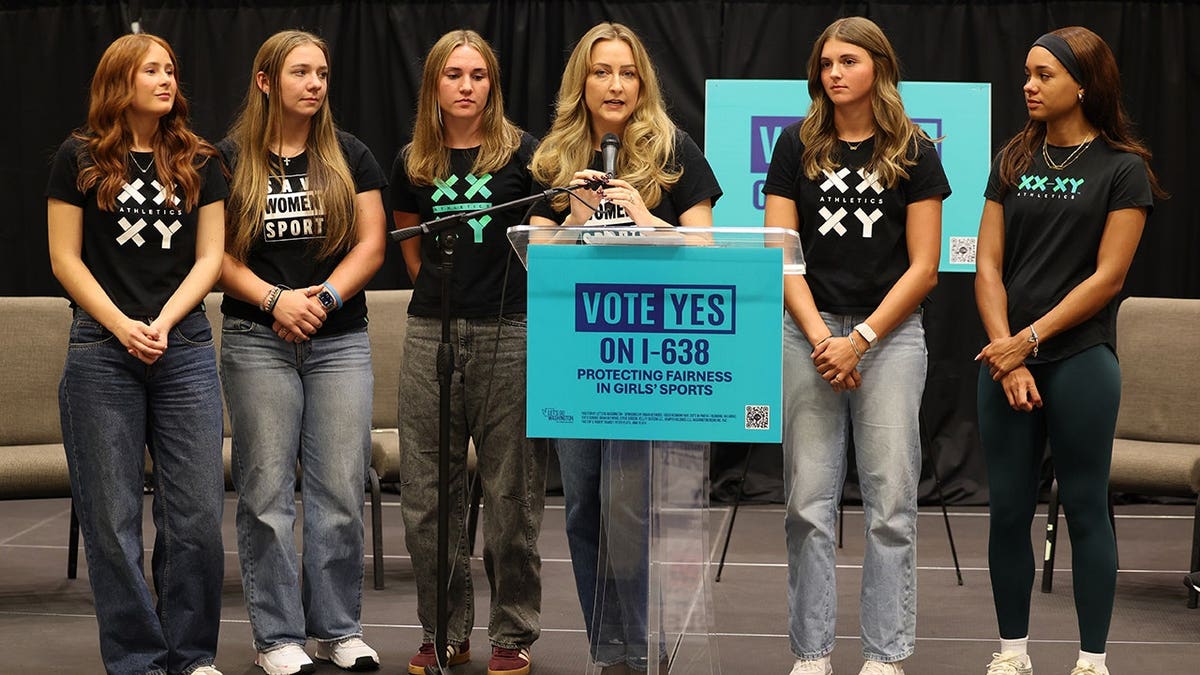
Frances Staudt's courageous decision to opt out of a high school basketball game against a biological male has sparked a much-needed conversation about the integrity of girls' sports. As Washington state prepares to vote on a bill that would restrict biological males from competi...
Frances Staudt's courageous decision to opt out of a high school basketball game against a biological male has sparked a much-needed conversation about the integrity of girls' sports. As Washington state prepares to vote on a bill that would restrict biological males from competing in girls' sports, women like Staudt are speaking out about the daily harassment and marginalization they face in school environments. The women sport's Dimension For many girls and women, participating in sports is not just about physical activity or personal achievement; it's about empowerment, self-expression, and building relationships with peers. However, when biological males are allowed to compete in girls' sports, it can undermine these benefits and create a toxic environment. Women like Staudt report feeling intimidated, harassed, and belittled by the presence of biological males in their locker rooms and on their sports teams. This can lead to decreased participation rates among girls and women, perpetuating existing gender disparities in sports. Moreover, the issue extends beyond school athletics. The debate surrounding biological males in girls' sports raises important questions about inclusivity, diversity, and social justice. It requires schools and communities to consider the needs and experiences of all students, including those who may feel marginalized or excluded by policies that prioritize inclusivity over fairness. What This Means Going Forward As policymakers grapple with the complexities of this issue, there are several practical implications to consider. For schools and educators, it means creating safe and inclusive spaces for all students while also prioritizing fairness and equity in athletic competitions. For parents and caregivers, it means advocating for policies that support their children's physical and emotional well-being. For policymakers, it means engaging with diverse stakeholders to develop solutions that balance competing interests and values. Ultimately, this debate is not just about sports; it's about the values we want to uphold in our communities. By listening to the voices of women like Staudt and engaging in nuanced discussions about inclusivity and fairness, we can work towards creating a more equitable and supportive environment for all individuals. As we move forward, let us prioritize empathy, understanding, and a commitment to protecting the integrity of girls' sports for generations to come.