AI-powered Personal Assistants Gain Traction, But Privacy Concerns Linger
Summary:
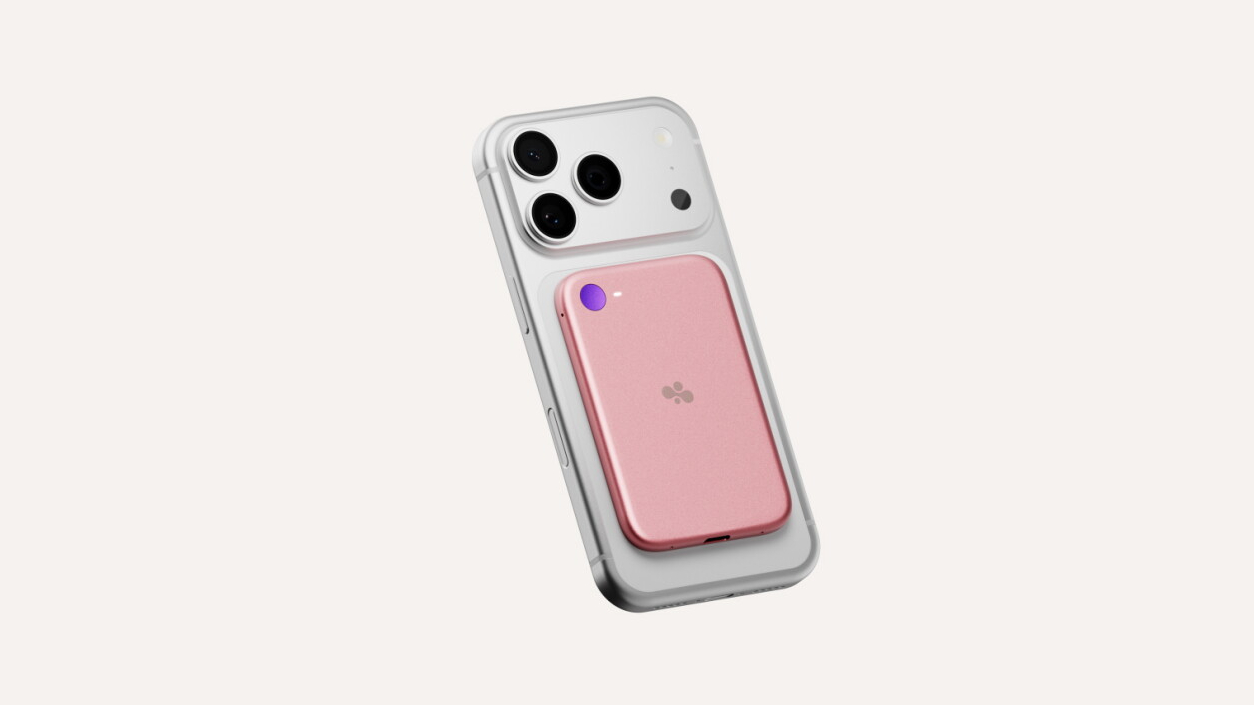
The tech world has witnessed the launch of Amazon's Bee Frontier and Bee Eclipse devices, which utilize artificial intelligence to process conversations into summaries, to-do lists, and more. These devices aim to revolutionize personal assistance, but they also raise concerns abo...
The tech world has witnessed the launch of Amazon's Bee Frontier and Bee Eclipse devices, which utilize artificial intelligence to process conversations into summaries, to-do lists, and more. These devices aim to revolutionize personal assistance, but they also raise concerns about data privacy and consent. The human dimension of this innovation is multifaceted. The Human Dimension
----------------- These AI-powered personal assistants have the potential to significantly impact various aspects of daily life. For instance, individuals with disabilities can benefit from the devices' ability to summarize conversations and generate to-do lists, enhancing their productivity and independence. Similarly, students can use these devices to organize their study materials and schedules, potentially leading to better academic performance. Furthermore, the devices' ability to provide personalized recommendations can be particularly beneficial for individuals with chronic health conditions, enabling them to manage their symptoms more effectively. However, concerns about data privacy and consent cannot be ignored. The fact that these devices will listen and record users' conversations raises questions about who will have access to this data and how it will be used. This is especially pertinent in light of existing surveillance capitalism models that often prioritize corporate interests over individual rights. It is essential for users to carefully consider the terms of service and ask for permission before allowing these devices to record their conversations. What This Means Going Forward
----------------------------- As these devices become increasingly ubiquitous, it is crucial for users to be aware of their implications. In the coming weeks and months, readers should watch for updates on data protection policies and regulations surrounding AI-powered personal assistants. Moreover, individuals should exercise caution when sharing personal information with these devices, ensuring they understand how their data will be used and protected. By being informed and vigilant, people can harness the benefits of these innovative technologies while safeguarding their rights. Ultimately, the intersection of technology and human experience demands a nuanced approach that balances innovation with responsibility. As we navigate the landscape of AI-powered personal assistants, it is essential to prioritize transparency, consent, and data protection – not just for individual users but also for communities at large.