Wildlife ecosystems flourish around elephant carcasses
Summary:
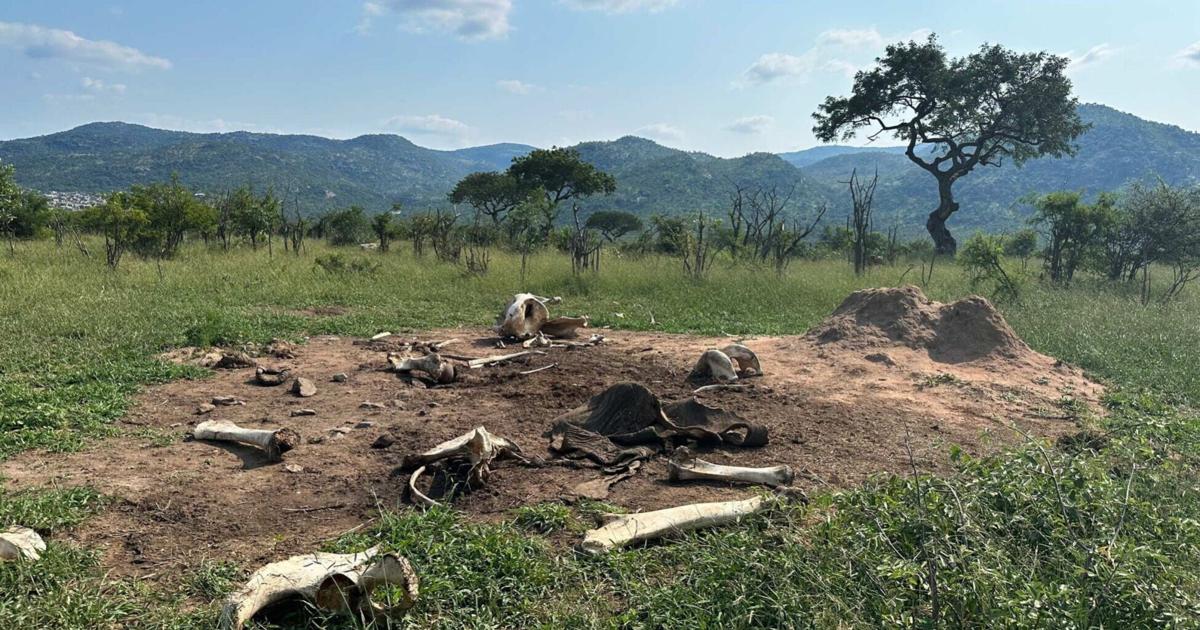
The discovery that elephant remains become a nutrient-rich hotspot for grazing animals has shed new light on the complex relationships within ecosystems. Scientists have found that the location where an elephant dies becomes a magnet for other wildlife, sustaining a thriving ecos...
The discovery that elephant remains become a nutrient-rich hotspot for grazing animals has shed new light on the complex relationships within ecosystems. Scientists have found that the location where an elephant dies becomes a magnet for other wildlife, sustaining a thriving ecosystem for years to come. The Human Dimension
When an elephant dies, its massive body provides a sudden influx of nutrients into the environment. This nutrient-rich hotspot supports an array of plant and animal life, including birds, insects, and smaller mammals. The presence of grazing animals at these sites suggests that the ecosystem is resilient and capable of adapting to changes in the environment. Furthermore, this finding highlights the intricate web of relationships within ecosystems and underscores the importance of preserving biodiversity. As we continue to face environmental challenges, such as habitat loss and climate change, understanding the dynamics of ecosystems can inform conservation efforts and promote sustainable land use practices. What This Means Going Forward
As we consider the practical implications of this discovery, several key takeaways emerge. Firstly, conservation efforts should focus on preserving large animal populations, not just for their ecological importance but also for their role in sustaining local ecosystems. Secondly, understanding the dynamics of nutrient cycling in ecosystems can inform agricultural practices and reduce the environmental impact of farming. Finally, recognizing the interconnectedness of species within ecosystems encourages a more holistic approach to conservation and management of natural resources. In conclusion, the discovery that elephant remains support thriving ecosystems serves as a poignant reminder of our place within the natural world. By embracing a deeper understanding of ecological relationships, we can work towards creating more sustainable environments that support both human well-being and biodiversity.