The Enduring Allure of Sustainable Luxury
Summary:
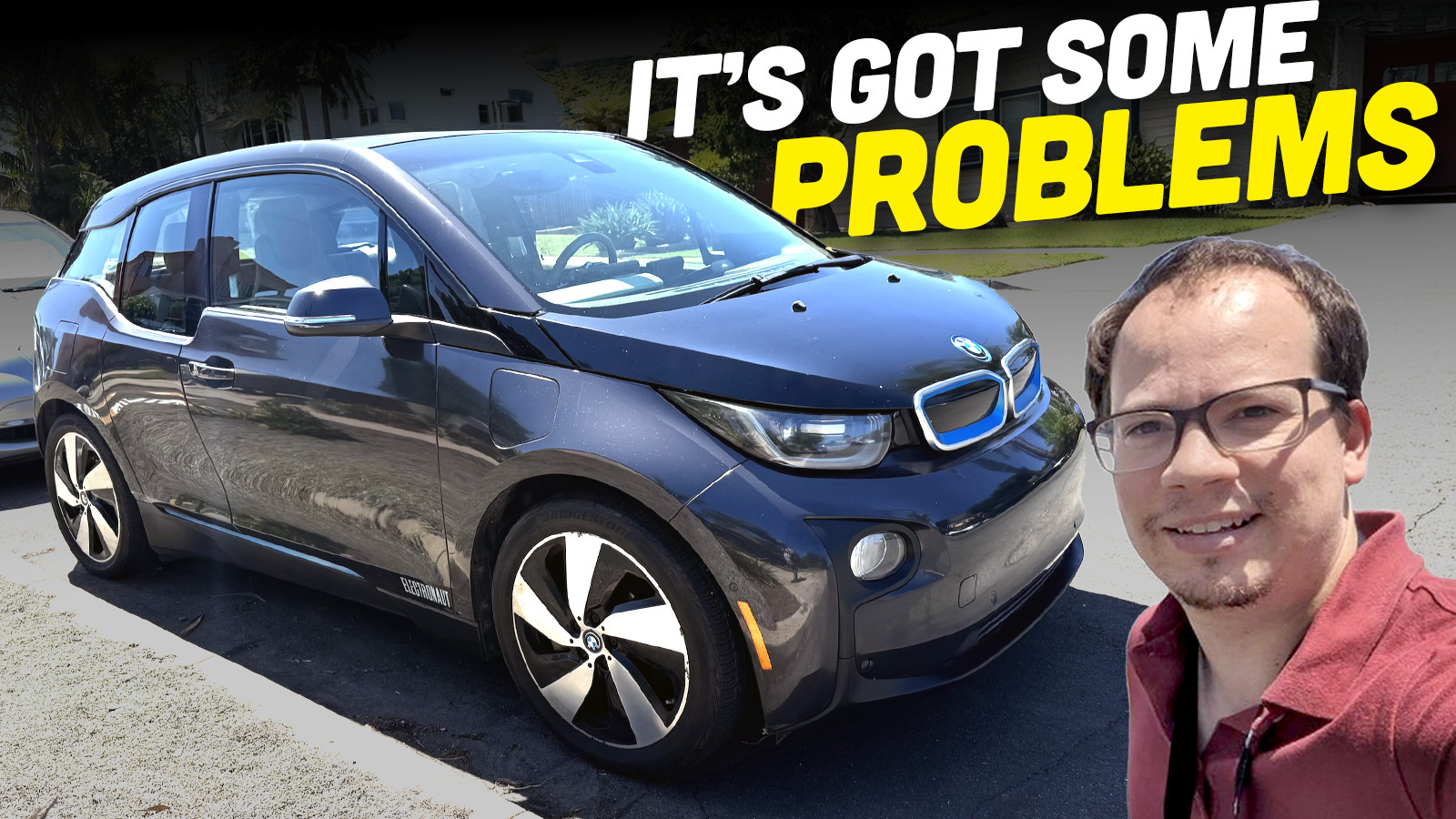
The recent sale of a 2021 BMW i3S for $34,000 and its subsequent replacement with a 2014 BMW i3 Electronaut Edition for $5,000 has sparked a heated debate about the value of sustainable luxury. The owner's decision to upgrade to an older model of the same brand has raised questio...
The recent sale of a 2021 BMW i3S for $34,000 and its subsequent replacement with a 2014 BMW i3 Electronaut Edition for $5,000 has sparked a heated debate about the value of sustainable luxury. The owner's decision to upgrade to an older model of the same brand has raised questions about the practicality and desirability of eco-friendly vehicles. The Human Dimension For many individuals, the allure of sustainable luxury lies in its potential to reduce carbon footprint and promote environmentally responsible consumption. As consumers increasingly prioritize sustainability, manufacturers like BMW are responding by developing eco-friendly models that cater to this growing demand. However, the affordability and accessibility of these vehicles remain significant concerns. The example of the owner downgrading from a 2021 model to a 2014 version highlights the challenges faced by those who cannot afford newer, more expensive eco-friendly options. Moreover, this trend has implications for workers in industries related to sustainable energy and automotive manufacturing. As demand for eco-friendly vehicles increases, workers in these sectors may see new job opportunities emerge. Conversely, if sustainable luxury remains out of reach for many consumers, it could hinder the growth of these industries and limit job creation. The Human Dimension also extends to families and communities who may not have access to resources that enable them to invest in sustainable luxury. This raises questions about equity and fairness in the adoption of eco-friendly technologies. How can governments and corporations work together to ensure that sustainable luxury is accessible to all, rather than just those who can afford it? What This Means Going Forward As governments set stricter emissions regulations and consumers increasingly prioritize sustainability, manufacturers are likely to continue investing in eco-friendly technologies. This trend will create new opportunities for workers in industries related to sustainable energy and automotive manufacturing. However, it also raises concerns about affordability and accessibility. Governments may need to implement policies that support affordable access to eco-friendly vehicles or provide incentives for manufacturers to produce more affordable models. Ultimately, the enduring allure of sustainable luxury lies in its potential to promote environmentally responsible consumption. As consumers continue to prioritize sustainability, manufacturers will need to adapt by developing more affordable and accessible eco-friendly models that cater to diverse needs and budgets.