Global Cyber Alert Takes Down SA Presidency Website, Exposing Vulnerabilities Worldwide
Summary:
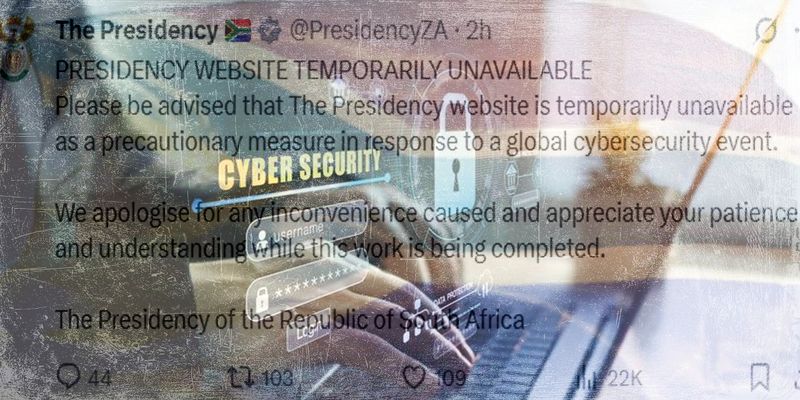
The SA Presidency website, a critical platform for government communications and services, has gone offline due to a global cybersecurity event. This incident is not an isolated occurrence; it's part of a larger trend of cyberattacks that have been disrupting lives and businesses...
The SA Presidency website, a critical platform for government communications and services, has gone offline due to a global cybersecurity event. This incident is not an isolated occurrence; it's part of a larger trend of cyberattacks that have been disrupting lives and businesses worldwide. The SA Presidency's announcement has sparked a series of warnings from cybersecurity experts, cautioning individuals and organizations to be vigilant about their online presence. The Human Dimension
The impact of this global cyber alert extends far beyond the technical realm, affecting ordinary people in profound ways. For instance, businesses that rely on e-commerce platforms may experience delayed transactions or complete system crashes, leading to financial losses and lost revenue. Moreover, individuals who use online banking services may find themselves unable to access their accounts, causing anxiety and stress. The ripple effects of this cyber alert can be felt in various aspects of life, including education, healthcare, and employment. Students who rely on online resources for research or coursework may face delays or disruptions, while patients who require remote consultations or medical records may experience difficulties in accessing vital information. What This Means Going Forward
As the world grapples with the aftermath of this global cyber alert, it's essential for individuals and organizations to take proactive steps to protect themselves. This includes updating software and security patches regularly, using strong passwords and two-factor authentication, and being cautious when clicking on suspicious links or opening attachments from unknown sources. Furthermore, governments and institutions must prioritize cybersecurity measures to prevent such incidents in the future. By doing so, they can mitigate the risks associated with cyberattacks and ensure that critical services remain available to those who need them most. In conclusion, the temporary shutdown of the SA Presidency website serves as a stark reminder of the vulnerabilities that exist in our increasingly interconnected world. As we move forward, it's crucial that we prioritize cybersecurity measures to safeguard our online presence and protect ourselves from the threats that lurk in the digital shadows.