Avian Flu Outbreak Threatens Global Food Security and Community Traditions
Summary:
The UK is on high alert as a severe outbreak of avian flu has led to the deaths of thousands of birds on a single farm, raising concerns about the impact on Christmas dinner plans worldwide. The mass culling of 29,000 birds is a stark reminder of the far-reaching consequences of...
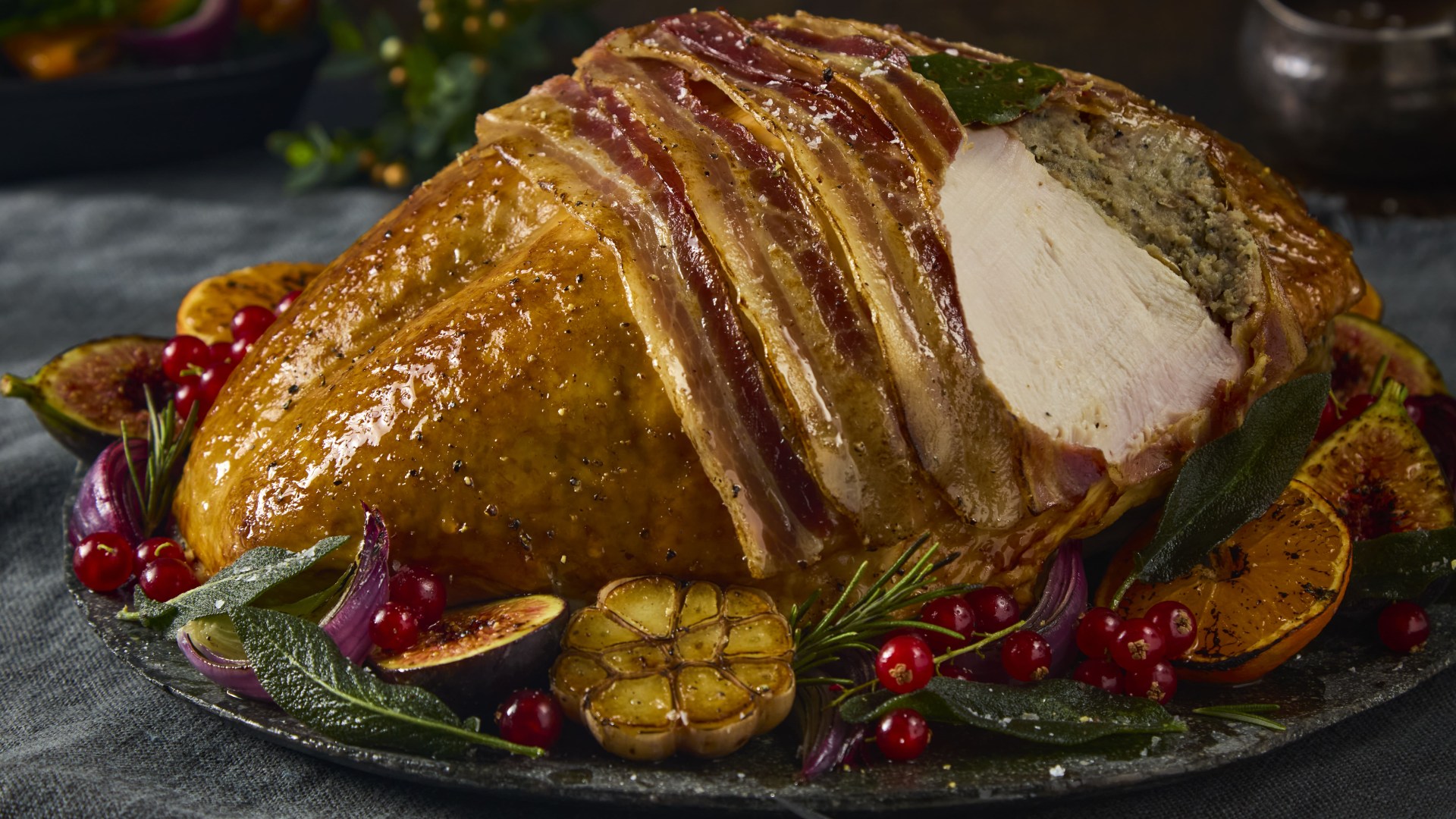
The UK is on high alert as a severe outbreak of avian flu has led to the deaths of thousands of birds on a single farm, raising concerns about the impact on Christmas dinner plans worldwide. The mass culling of 29,000 birds is a stark reminder of the far-reaching consequences of animal disease outbreaks on human lives and global food systems. The Human Dimension The threat to Christmas dinners is not just a matter of culinary tradition; it has significant implications for food security and community celebrations. Many families rely on poultry as a staple protein source during the holiday season. The potential shortage could lead to economic hardship for farmers, butchers, and retailers who rely on poultry sales. Moreover, the emotional toll on communities that celebrate Christmas with traditional meals should not be underestimated. The disruption to food supply chains could also impact vulnerable populations, such as low-income households and those with limited access to alternative protein sources. The avian flu outbreak also highlights broader concerns about global food security. As international trade in poultry products increases, the risk of disease transmission across borders grows. This has significant implications for public health, particularly in regions with limited healthcare infrastructure. The World Health Organization (WHO) and other international agencies must work closely with governments and the poultry industry to develop effective strategies for mitigating the spread of avian flu. What This Means Going Forward In the coming weeks and months, consumers can expect to see changes in the availability and pricing of poultry products. Farmers and producers may need to adapt their practices to reduce the risk of disease transmission, which could lead to increased costs for consumers. Governments may also impose restrictions on poultry imports or exports, further disrupting supply chains. To minimize the impact, consumers can consider alternative protein sources or support local farmers who implement sustainable and disease-resistant practices. As we navigate this crisis, it is essential to recognize the interconnectedness of human and animal health. By prioritizing global cooperation, research, and education, we can work towards a more resilient food system that protects both human and animal well-being. In this season of celebration and gratitude, let us remember the intricate web of relationships between our food choices, community traditions, and global health outcomes. As we head into winter festivities, it is crucial for families to plan ahead, consider alternative protein sources, and support local farmers who prioritize animal welfare. By taking these steps, we can help mitigate the impact of the avian flu outbreak on Christmas dinner plans while promoting a more sustainable food system for all.