Singapore Hospitals Pioneering AI-Driven Healthcare Excellence
Summary:
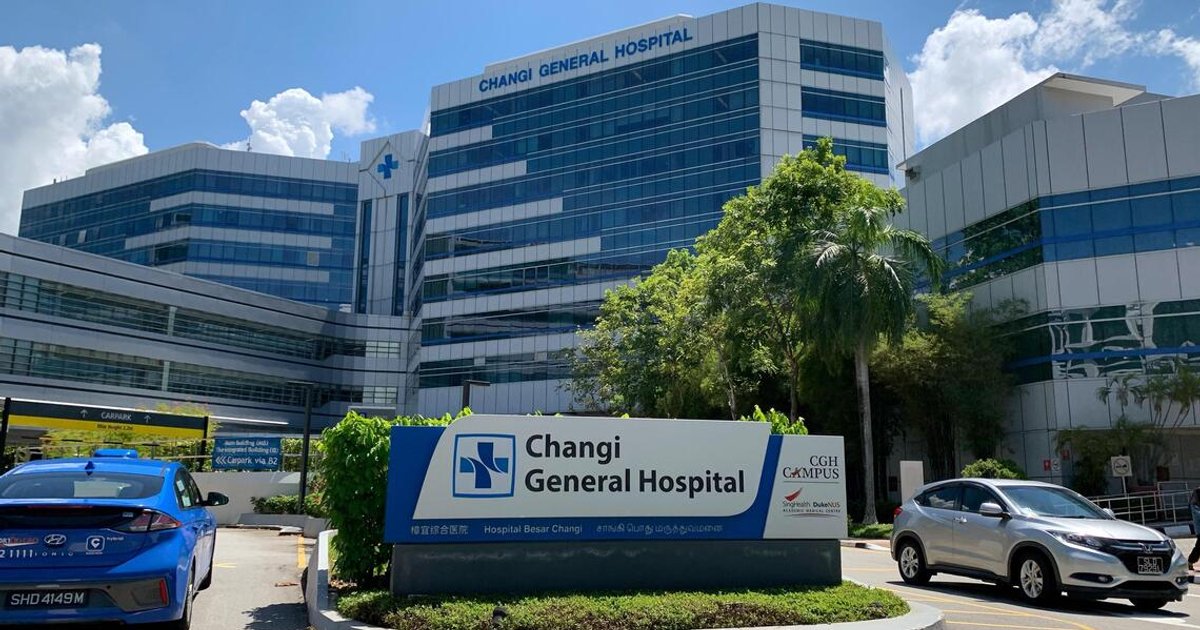
The hospitals of Changi General Hospital (CGH), Singapore General Hospital (SGH), and National University Health System (NUH) have been recognized as leaders in artificial intelligence (AI) innovation, earning spots among the world's best smart hospitals in a recent Newsweek rank...
The hospitals of Changi General Hospital (CGH), Singapore General Hospital (SGH), and National University Health System (NUH) have been recognized as leaders in artificial intelligence (AI) innovation, earning spots among the world's best smart hospitals in a recent Newsweek ranking. This achievement marks a significant milestone in the country's efforts to leverage technology to enhance healthcare delivery. The Human Dimension This development has far-reaching implications for patients, families, and communities. The integration of AI in these hospitals promises to revolutionize diagnosis, treatment, and patient care. For instance, AI-powered systems can help doctors identify potential health risks earlier, enabling timely interventions that could improve patient outcomes. Moreover, AI-driven chatbots can provide patients with personalized support and guidance, reducing anxiety and stress. Furthermore, the adoption of AI in these hospitals is expected to create new job opportunities for data scientists, software engineers, and other professionals who can contribute to the development and implementation of AI-driven solutions. What This Means Going Forward As these hospitals continue to pioneer AI-driven healthcare innovation, patients can expect improved access to quality care, enhanced treatment options, and better health outcomes. For healthcare professionals, this development presents opportunities for upskilling and reskilling to adapt to an increasingly technology-driven environment. Additionally, patients from around the world may benefit from Singapore's expertise in AI-powered healthcare solutions, which could be replicated or adapted for use in their own countries. In the coming months, readers can expect to see more collaborations between Singaporean hospitals and international partners to share knowledge and best practices in AI-driven healthcare innovation. In recognition of their achievements, these Singaporean hospitals serve as beacons of excellence in healthcare innovation. As the global healthcare landscape continues to evolve, their commitment to harnessing the power of AI will undoubtedly inspire other institutions to follow suit.