Social media's dark side: Online personas and accountability in the digital age
Summary:
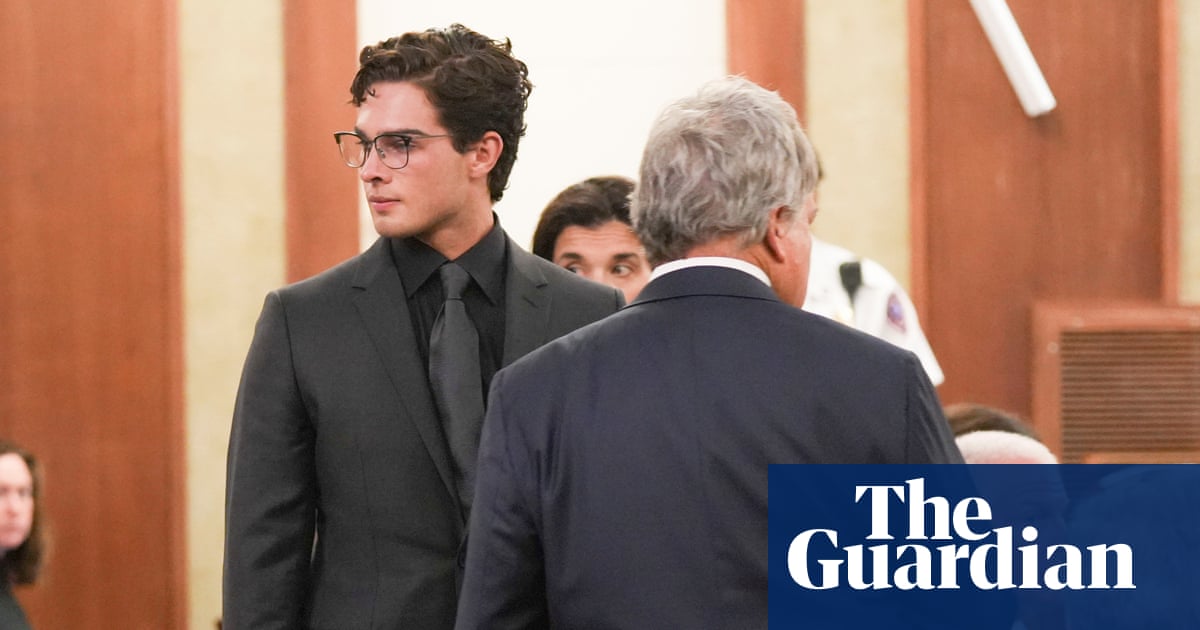
The world of social media influencers has long been plagued by the blurring of lines between reality and persona. Now, a disturbing case has come to light where a prominent "looksmaxxing" influencer has been accused of raping a teenager after allegedly giving her alcohol until sh...
The world of social media influencers has long been plagued by the blurring of lines between reality and persona. Now, a disturbing case has come to light where a prominent "looksmaxxing" influencer has been accused of raping a teenager after allegedly giving her alcohol until she was drunk. The accused, Clavicular, has pleaded not guilty to the charges. The Human Dimension This case highlights the darker side of social media's influence on young people. Influencers like Clavicular often present a curated image of themselves, promoting beauty standards and lifestyles that can be damaging to self-esteem and mental health. For young people, especially teenagers, the pressure to conform to these standards can be overwhelming, leading to feelings of inadequacy and low self-worth. The fact that someone in a position of influence could allegedly use their power to exploit and harm another person is particularly concerning. Moreover, this case raises questions about accountability in the digital age. Social media platforms have been criticized for their role in enabling harassment and abuse online. While some platforms have taken steps to improve moderation and user safety, more needs to be done to prevent instances of exploitation like this one. As users, we need to be aware of the potential risks of engaging with online personalities and take steps to protect ourselves and others. What This Means Going Forward As this case unfolds, it will be essential for social media platforms to take a closer look at their moderation policies and ensure that they are doing enough to prevent instances of exploitation. Users also need to be more critical of the online personas they engage with and take steps to protect themselves from potential harm. This can include being cautious when interacting with strangers online, setting boundaries around what types of content you consume, and reporting any suspicious or abusive behavior. Ultimately, this case serves as a reminder that social media is not a separate entity from the real world – it has real-world consequences that affect real people. By being more mindful of our online interactions and holding influencers accountable for their actions, we can work towards creating a safer and more respectful online community. As individuals, we must prioritize our own well-being and take steps to protect ourselves from potential harm. By doing so, we can create a culture that values respect, empathy, and kindness – both online and offline.