Unifying Ocean Data for Sustainable Fishing Practices
Summary:
The ocean, covering over 70% of our planet, is a vast and largely unexplored frontier that holds the key to understanding and managing our marine ecosystems. Scientists, researchers, and policymakers rely on ocean data to make informed decisions about sustainable fishing practice...
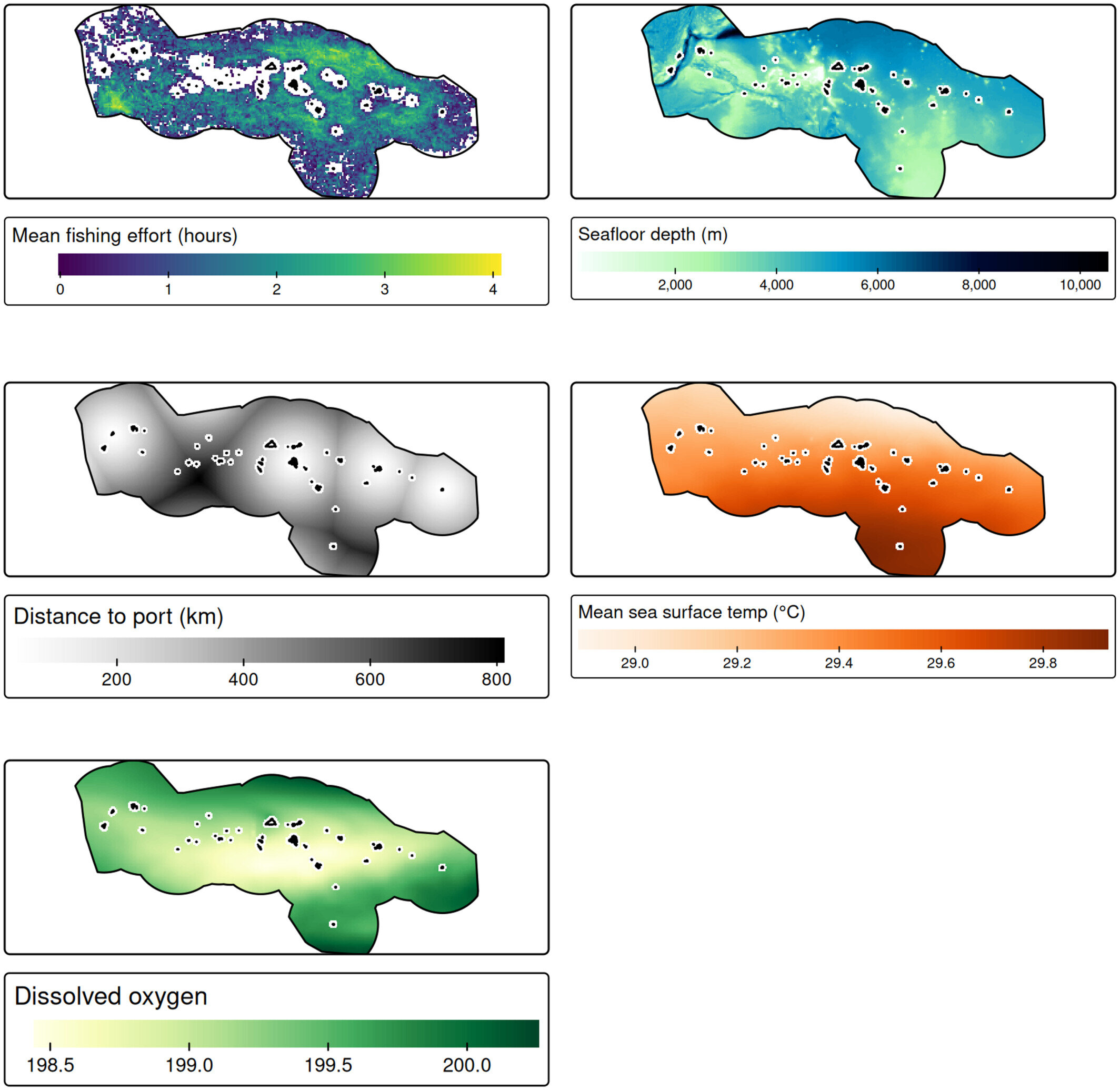
The ocean, covering over 70% of our planet, is a vast and largely unexplored frontier that holds the key to understanding and managing our marine ecosystems. Scientists, researchers, and policymakers rely on ocean data to make informed decisions about sustainable fishing practices, marine conservation, and coastal management. However, accessing this data can be a daunting task due to its scattered nature and lack of standardization. To bridge this gap, free software has emerged as a game-changer in bringing together ocean data from various sources. The Human Dimension For coastal communities that depend on fishing for their livelihoods, access to accurate and up-to-date ocean data can be the difference between success and failure. By providing fishermen with real-time information on sea surface temperatures, currents, and seafloor topography, these communities can optimize their fishing efforts, reduce bycatch, and protect vulnerable species. This not only benefits the fishing industry but also contributes to food security and economic stability in these regions. Moreover, by enabling researchers to better understand ocean dynamics, scientists can develop more effective conservation strategies that safeguard marine biodiversity. Furthermore, the free software initiative has far-reaching implications for students and educators in the field of marine science. By providing a platform for collaborative research and data sharing, young scholars can access a wealth of information that was previously inaccessible. This enables them to develop innovative solutions to pressing ocean-related challenges, such as climate change mitigation and sustainable resource management. What This Means Going Forward As the use of free software becomes more widespread, we can expect to see significant improvements in the way we manage our oceans. Policymakers will have better data to inform their decisions about fisheries management, marine protected areas, and coastal development. The private sector will benefit from more accurate assessments of ocean resources, leading to more informed investment decisions. For individuals living in coastal communities, access to reliable ocean data will enhance their quality of life and contribute to the long-term sustainability of their livelihoods. In conclusion, the emergence of free software for unifying ocean data marks an important milestone in our quest to better understand and manage our oceans. As we move forward in this new era of collaborative research and data sharing, we must recognize the profound implications it holds for people's lives around the world – from fishermen in developing countries to students in marine science programs – all of whom will benefit from more informed decision-making about our shared oceans.