Strict Mail Ballot Rules Risk Disenfranchising Thousands in North Carolina
Summary:
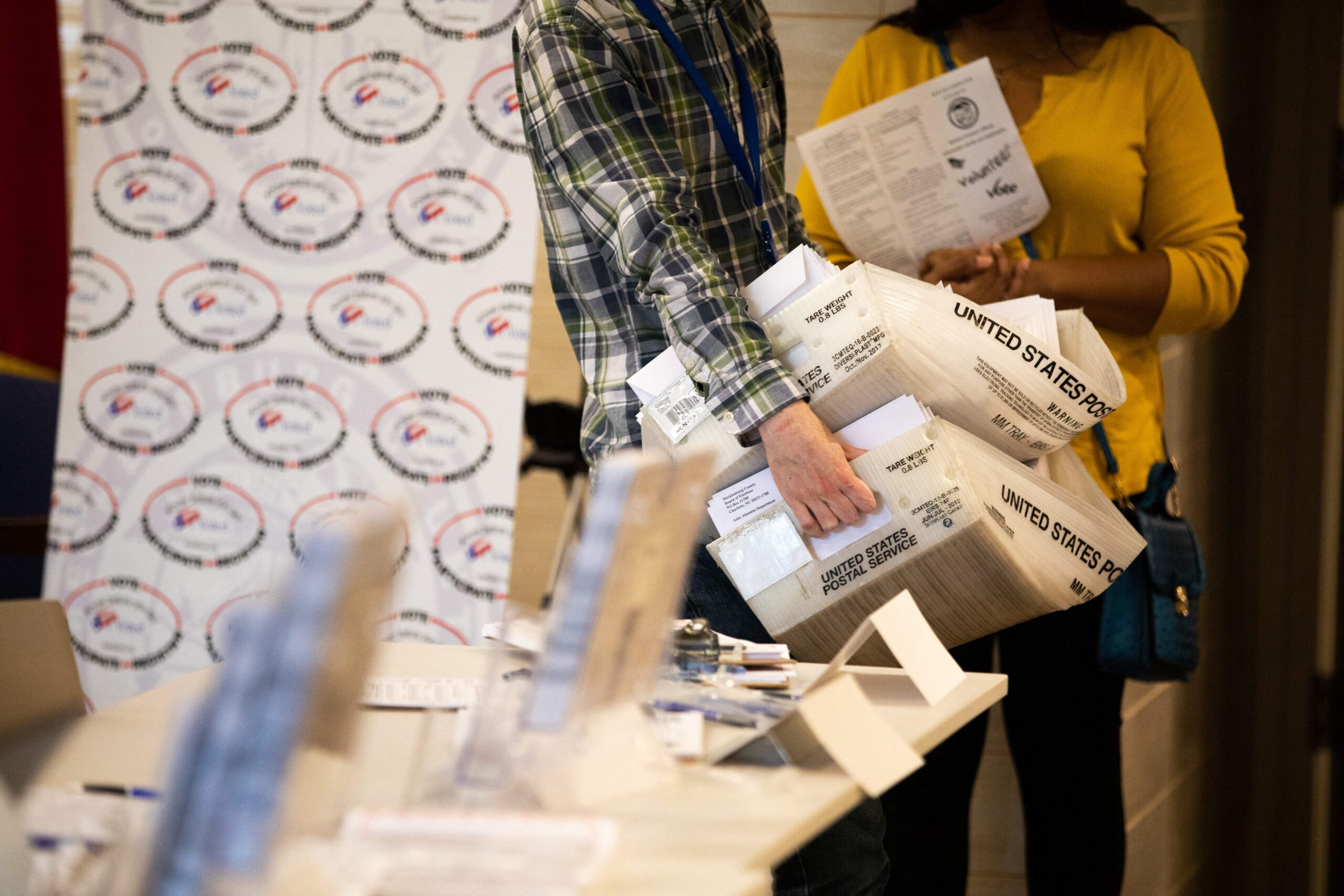
The North Carolina Republican Party's recent introduction of stringent new mail ballot rules has sparked concerns that thousands of eligible voters may be disenfranchised. According to data, if 3% of mail ballots statewide are rejected, it would result in an estimated 3,942 ballo...
The North Carolina Republican Party's recent introduction of stringent new mail ballot rules has sparked concerns that thousands of eligible voters may be disenfranchised. According to data, if 3% of mail ballots statewide are rejected, it would result in an estimated 3,942 ballots being discarded. This would leave these voters without a voice in the democratic process unless they can successfully "cure" their ballots, a process few voters actually undertake. The Human Dimension These numbers represent real people, each with their own story and stake in the democratic process. For those who rely on mail-in ballots due to mobility issues, work schedules, or caregiving responsibilities, being disenfranchised could have severe consequences. It could mean missing out on essential healthcare services, losing access to critical education opportunities, or being unable to participate in vital community decisions. The ripple effects of disenfranchisement can be far-reaching, affecting not only individuals but also their families and communities. What This Means Going Forward As the elections season heats up in North Carolina and beyond, it is essential for voters to be aware of these potential barriers to participation. Those who plan to use mail-in ballots must ensure they comply with the new rules to avoid having their votes rejected. Additionally, advocacy groups and election officials should work together to increase voter education and awareness about the risks associated with strict ballot rules. By taking proactive steps to address these concerns, we can ensure that every eligible voter has an equal opportunity to exercise their right to vote. In a democracy, every voice matters, and strict ballot rules risk silencing thousands of North Carolinians. As we move forward, it is crucial that we prioritize the human dimension of voting and work towards creating inclusive electoral systems that value every citizen's participation.