Embracing the Unpredictability of Antarctic Life
Summary:
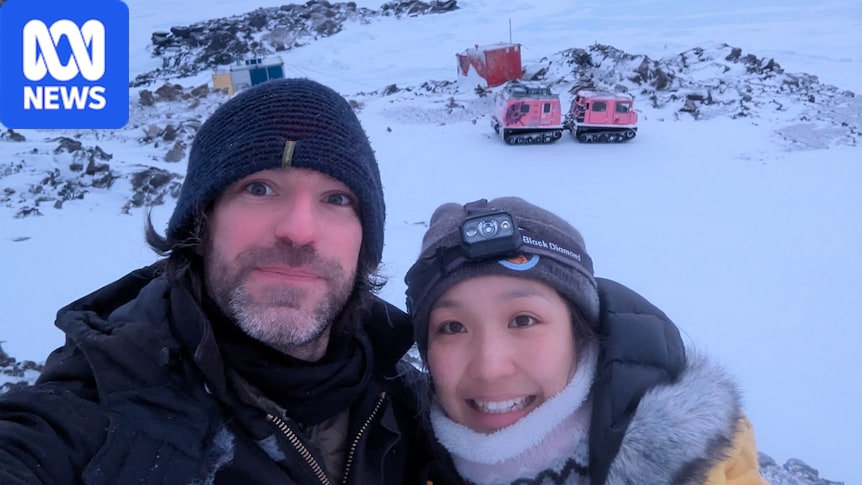
Living and working in Antarctica is not for the faint of heart. Winnie Yum and her partner Nelson Athanasiou, who were accepted for roles at Davis Research Station, can attest to this reality. For them, it meant putting their lives and careers in Australia on hold for 12 months....
Living and working in Antarctica is not for the faint of heart. Winnie Yum and her partner Nelson Athanasiou, who were accepted for roles at Davis Research Station, can attest to this reality. For them, it meant putting their lives and careers in Australia on hold for 12 months. This kind of sacrifice is a testament to the allure of Antarctica's unique environment, which continues to captivate scientists, researchers, and adventurers from around the world. The Human Dimension For those who embark on this journey, the reality of life in Antarctica is far removed from the romanticized images of penguins and snow-capped mountains. In reality, it's a challenging and unpredictable environment that requires individuals to be adaptable and resilient. The isolation from family and friends can be overwhelming, with limited communication options and no direct flights back home. Yum and Athanasiou's decision to put their lives on hold highlights the significant personal costs that come with working in such a remote location. Moreover, living in Antarctica presents unique opportunities for personal growth and development. The extreme environment demands a high level of self-sufficiency, which can foster independence and resourcefulness. Researchers like Yum and Athanasiou must also develop strong coping mechanisms to deal with the psychological strain of isolation. This experience can be transformative, providing individuals with a newfound appreciation for life's simple pleasures and a deeper understanding of themselves. What This Means Going Forward As more individuals consider pursuing careers in Antarctica, it's essential to acknowledge the human dimension of this experience. For those who are thinking of embarking on this journey, it's crucial to carefully weigh the personal costs against the potential benefits. It's also essential to prioritize mental health support systems and maintain open communication channels with loved ones back home. As Yum and Athanasiou's story shows, living and working in Antarctica can be a life-changing experience that fosters growth, resilience, and self-discovery. Ultimately, embracing the unpredictability of life in Antarctica requires a willingness to adapt, be flexible, and prioritize one's well-being. As we continue to explore this vast continent, let us not forget the human stories that make these expeditions possible – stories of sacrifice, resilience, and transformation that have far-reaching implications for our individual lives and global community.