Lenacapavir could transform HIV prevention in rural communities: Bhekisisa
Summary:
Rural Healthcare Divide Exposed by HIV Prevention Breakthroughs and Mysterious Lab Deaths
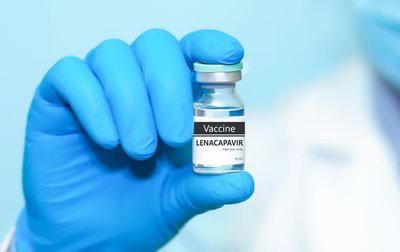
Rural Healthcare Divide Exposed by HIV Prevention Breakthroughs and Mysterious Lab Deaths The twice-yearly Lenacapavir injection, approved in 2022, has the potential to revolutionize HIV prevention in rural communities, where long distances to healthcare facilities have long hindered access to care. According to the World Health Organization, an estimated 38% of people living with HIV in sub-Saharan Africa reside in rural areas, where healthcare infrastructure is often inadequate. The Human Dimension The Lenacapavir injection offers a glimmer of hope for these communities, providing a more accessible and convenient alternative to traditional antiretroviral therapy. However, the story of HIV prevention in rural areas is not an isolated one. Meanwhile, on another continent, concerns over a mysterious lab death in Russia have sparked questions about the country's handling of infectious diseases. Russia's offer to engage in a phone call with the US President to discuss the matter highlights the complex web of international relations and the need for greater transparency in the face of public health crises. What This Means Going Forward The Lenacapavir breakthrough and the Russian lab death both underscore the need for more robust healthcare infrastructure, particularly in rural areas. This requires a concerted effort from governments, international organizations, and healthcare institutions to prioritize resource allocation and capacity building. Furthermore, the international community must promote greater transparency and cooperation in the face of public health crises, ensuring that concerns are addressed promptly and effectively. A just society would prioritize the protection of human life and dignity, ensuring that all individuals have access to quality healthcare, regardless of their geographical location. This principle should guide policy decisions, fostering a more equitable and responsive healthcare system that serves the needs of all people, not just those in urban centers.